Have you ever noticed yellowed or cracked LED lights? These are common signs of UV degradation.
Durability is essential in industrial and outdoor lighting. When selecting fixtures, we often focus on IP rating, IK rating, and corrosion resistance to ensure they can withstand harsh environments. However, one important factor is often overlooked: UV resistance.
Exposure to UV radiation can cause plastics to yellow, housings to crack, and lenses to lose clarity. This can happen whether the fixture is installed along a highway or inside a warehouse. Over time, UV damage affects both the appearance and performance of the lighting fixture. For owners and operators, this results in higher maintenance costs. Therefore, UV resistance is critical.
In this article, we will discuss how UV radiation impacts LED lighting fixtures, why UV resistance is essential, and how to prevent UV degradation to extend the life of fixtures.
How UV Radiation Affects LED Fixtures?
While LEDs themselves emit very little UV light, the materials that house them are constantly exposed to ultraviolet radiation from the environment. Over time, this exposure can cause significant degradation of fixture materials.
UVA, which makes up about 95% of the UV radiation reaching the Earth’s surface, penetrates deeply into materials and causes gradual structural breakdown. UVB, though less abundant, carries much higher energy and accelerates surface-level degradation.
Most LED fixtures use polycarbonate or acrylic lenses. Prolonged UV exposure can cause these materials to yellow and crack. Polycarbonate and acrylic typically begin to yellow within 12 to 18 months as chromophore groups form in their polymer chains. This discoloration is not only cosmetic; it can reduce light transmission by 15–30%, directly affecting illumination levels and energy efficiency.
Except for lenses, plastic housings, diffusers, gaskets, and painted coatings can also deteriorate under UV exposure. Such structural damage can lead to embrittlement and fine cracking, which compromise the fixture’s IP and IK ratings as well as its corrosion resistance. As a result, the fixture’s overall durability and service life are reduced, leading to premature failure.

Where UV Resistance Matters Most?
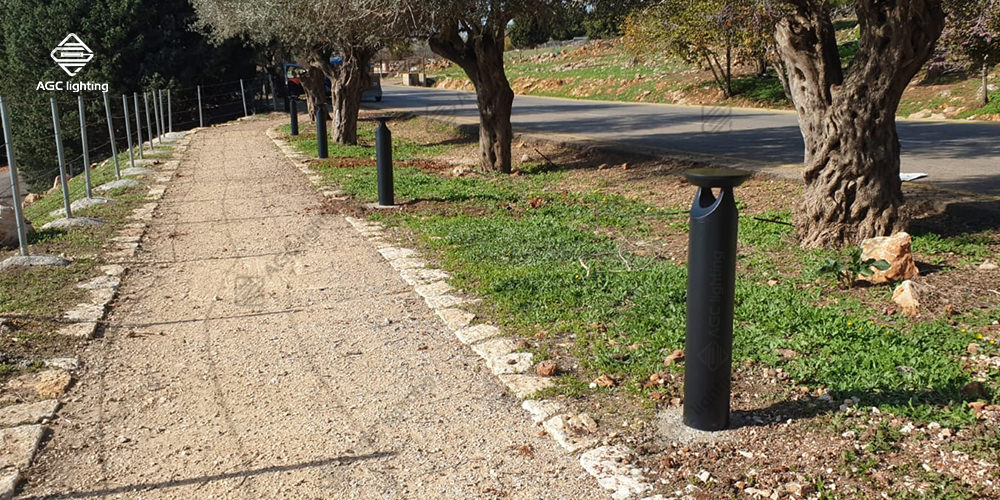
Outdoor applications are the most obvious examples. Streetlights, parking lot lighting, landscape lighting, and architectural lighting are exposed to direct sunlight every day. In these environments, UV resistance is essential, particularly in coastal and high-altitude locations.
Coastal areas not only experience intense UV exposure but also have salt-laden air that accelerates corrosion when UV-degraded seals or coatings fail. High-altitude environments combine stronger UV radiation with extreme temperature fluctuations, putting additional stress on materials weakened by UV exposure. These conditions make UV resistance a critical factor in ensuring long-term fixture durability.
Does this mean indoor environments do not require UV-resistant lighting fixtures? Not necessarily.
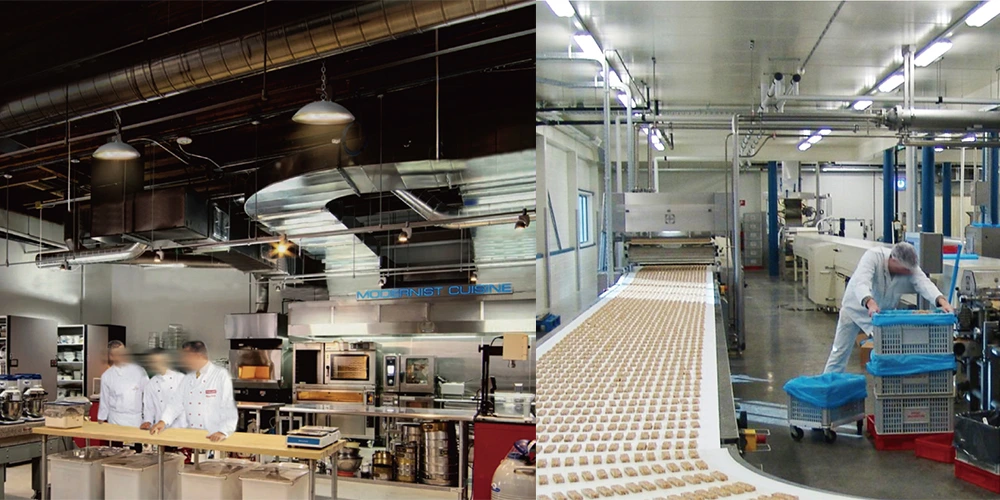
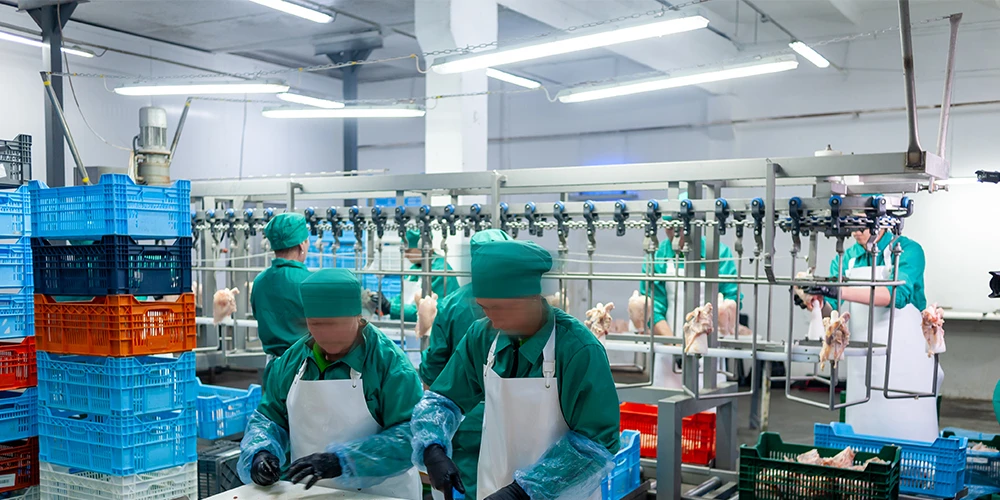
Any setting with significant UV exposure, whether outdoors or indoors, should consider UV resistance. For example, manufacturing facilities and food processing plants often use specialized UV lamps for curing, sanitation, or inspection. In such cases, fixture materials must be able to withstand concentrated UV energy to maintain performance and safety over time.
How to Prevent UV Degradation in LED Fixtures
Prevention starts long before installation. It begins with product design and material selection. For you, it starts with choosing the right lighting fixtures.
The first step is to select fixtures made with UV-stabilized materials. Most lenses and diffusers are made of plastics such as polycarbonate or acrylic. They can be treated with UV inhibitors to resist yellowing and brittleness. UV-stabilized polycarbonate containing hindered amine light stabilizers (HALS) can extend material service life by 200-300% compared to standard formulations. For housings, powder-coated aluminum or stainless steel provides superior durability compared with untreated metals or low-grade plastics.
The second step is to choose fixtures with verified UV testing. Reliable manufacturers conduct laboratory tests that simulate long-term outdoor exposure to evaluate material performance and durability. Common testing standards include ASTM G154 and ISO 4892, which expose materials to cycles of UV radiation, heat, and moisture to assess color stability, surface cracking, gloss retention, and mechanical strength over time.
However, UV prevention does not end here. The application environment also plays an important role. In areas with heavy dust or oil contamination, a glass lens is often a better choice.
We have received feedback from customers who noticed that the color temperature of their high bay lights changed from white to yellow. When they removed the fixtures, they found that the plastic lenses had turned yellow, and some were even burnt.
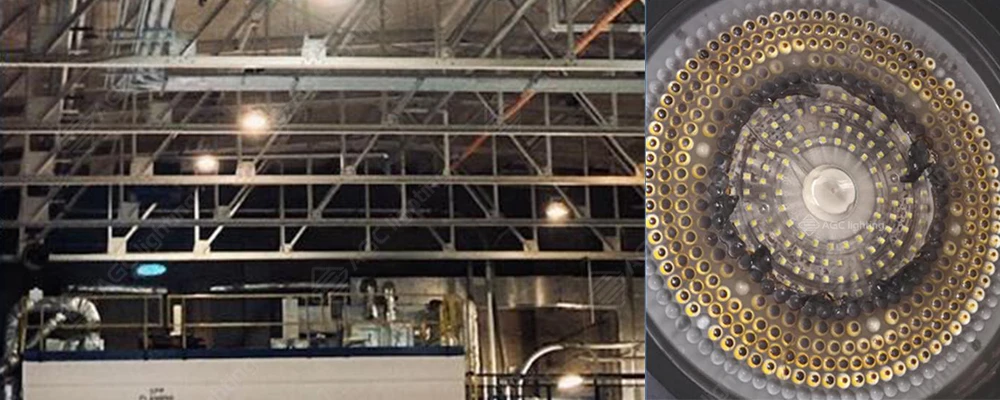
At AGC Lighting, our laboratory is SGS certified, and all our products undergo rigorous testing to ensure durability and performance. Each polycarbonate lens is tested for UV resistance and every lighting fixture is tested for high-temperature tolerance. So why do such issues still occur?
In these cases, the issue is not with the product itself but with the working environment. In this junkyard, dust and oil accumulated on the lens surface. This buildup blocked light output and trapped heat, which eventually caused the plastic lens to overheat and deform.
To solve this problem, we recommended replacing the plastic lens with a tempered glass lens. Tempered glass naturally resists UV degradation and has a much higher heat tolerance. This eliminates the combined effects of UV and heat that rapidly damage plastics. After the replacement, the high bay lights once again produced bright, white, and stable illumination.
If you want durable and reliable lighting, or if your existing lighting fixtures are experiencing yellowing or lumen loss, contact AGC Lighting. Our team provides customized, high-performance lighting solutions designed to deliver long-term stability and efficiency.