LED Solar Lights
LED solar lights offer an eco-friendly and cost-effective alternative to grid-powered outdoor lighting. Designed with durable, weather-resistant housings and intelligent lighting controls, our solar lineup delivers reliable illumination, even during multiple consecutive overcast days, for streets, pathways, parking lots, and remote industrial facilities.
Solar Street Lights

Solar Bollard Lights
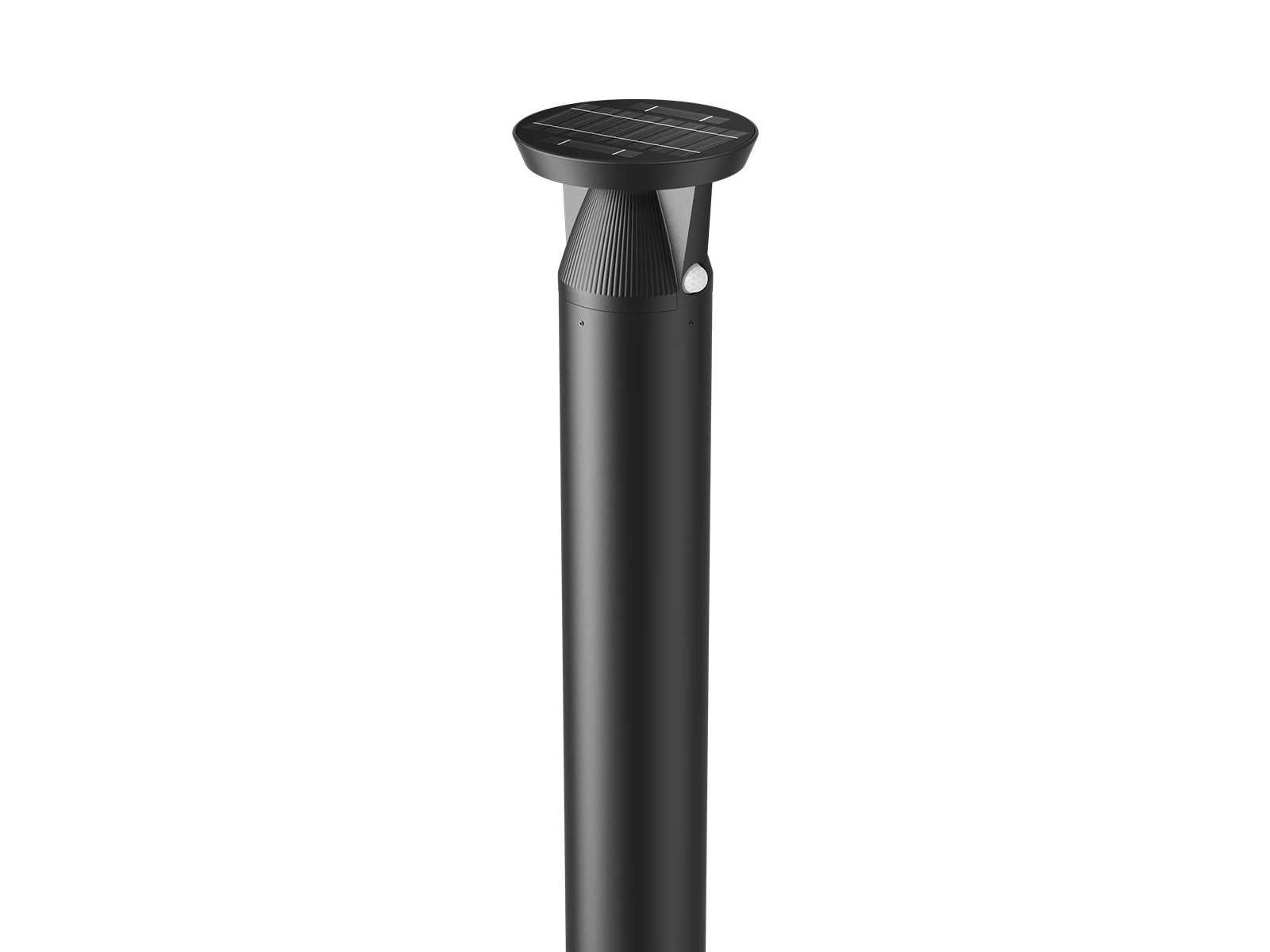

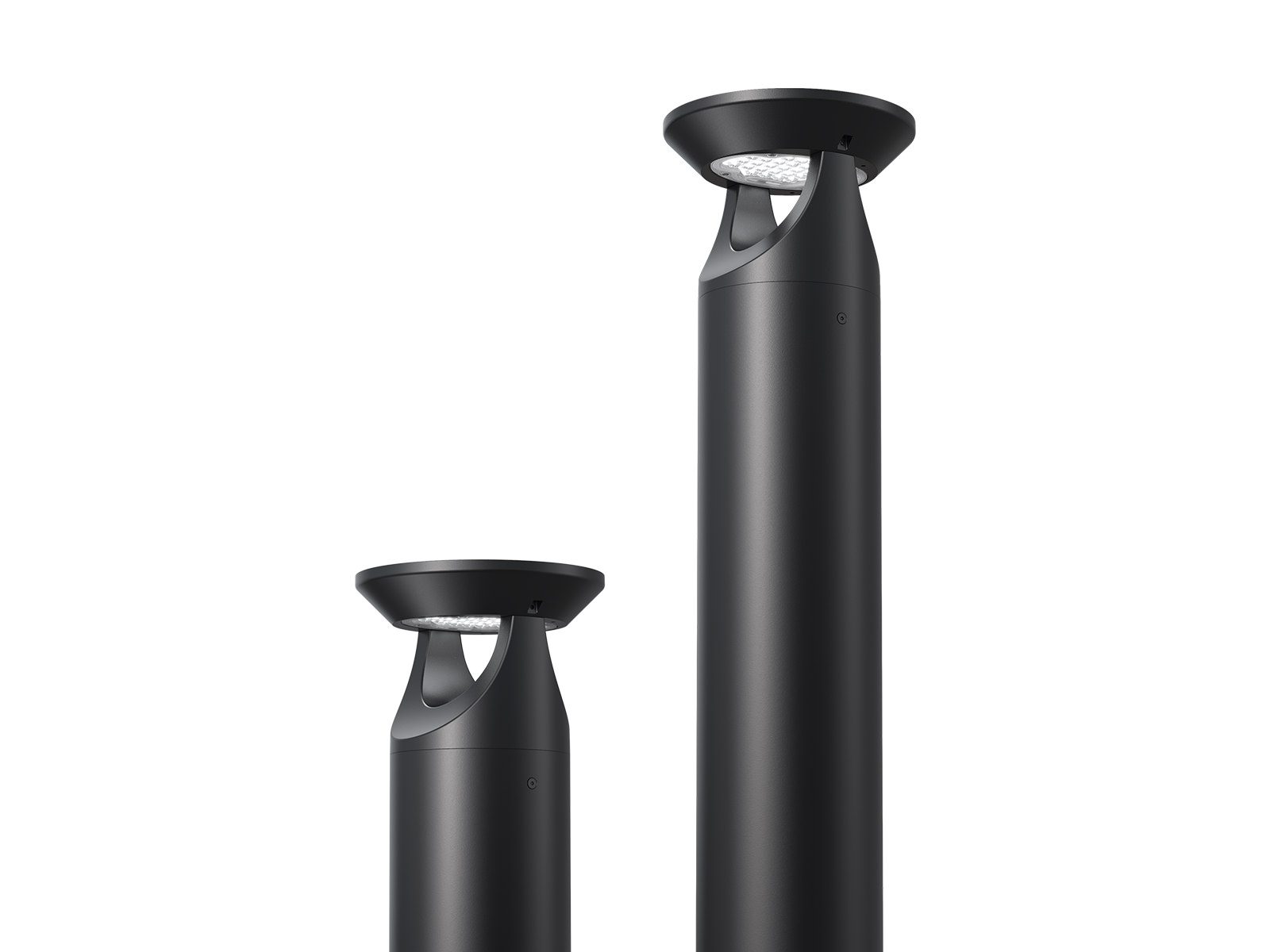
Solar Post Top Lights
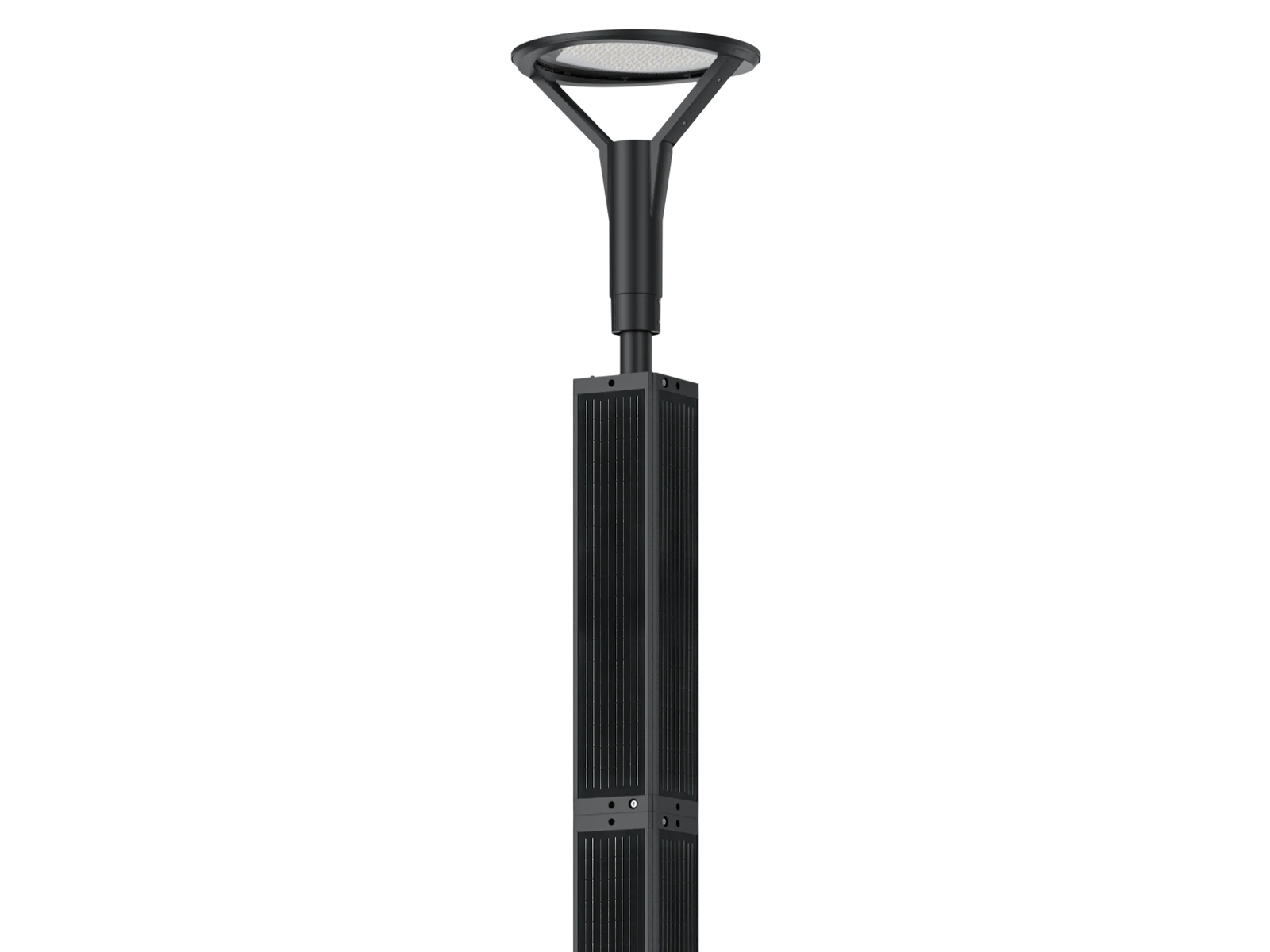
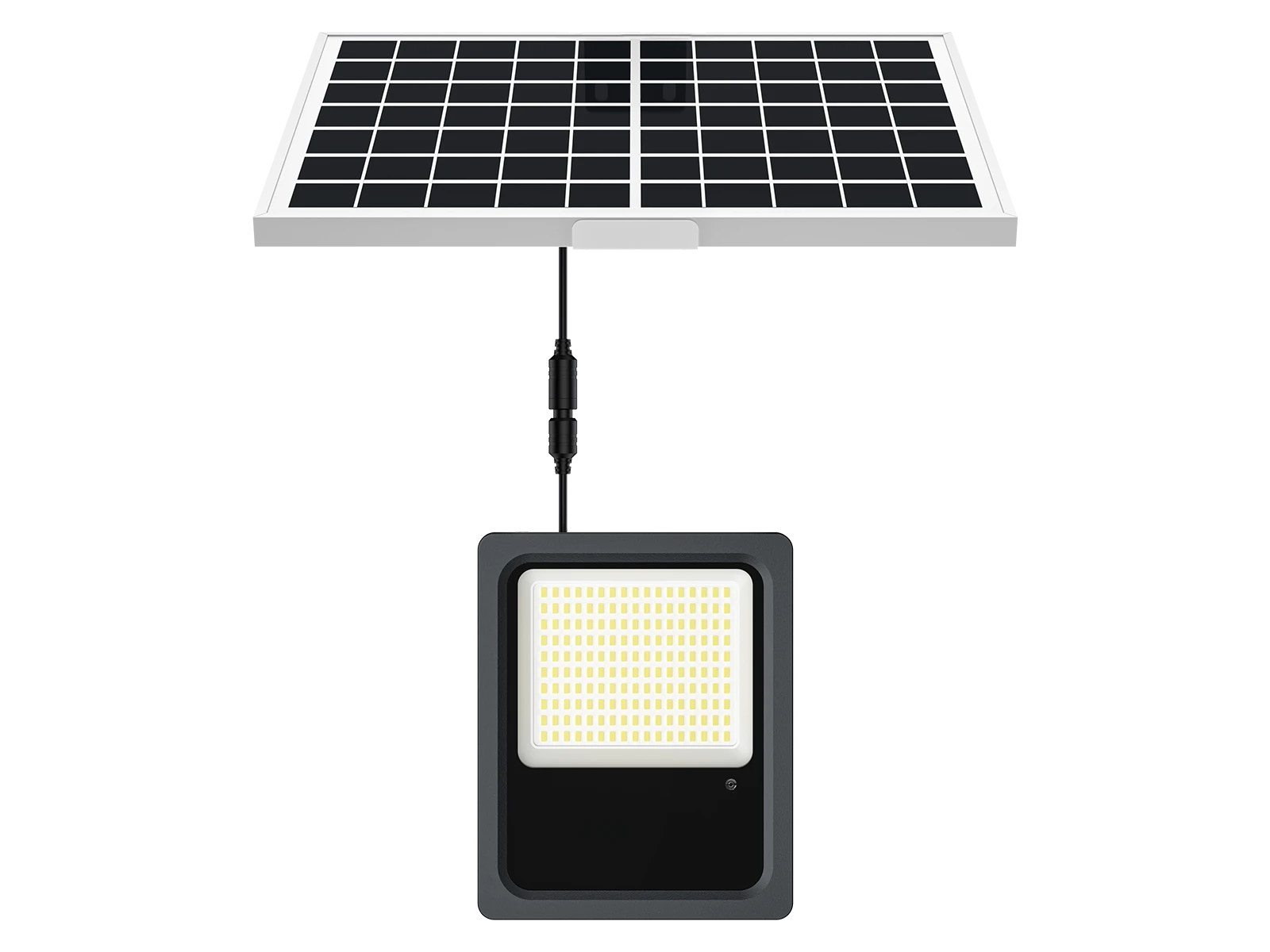
Solar Flood Lights
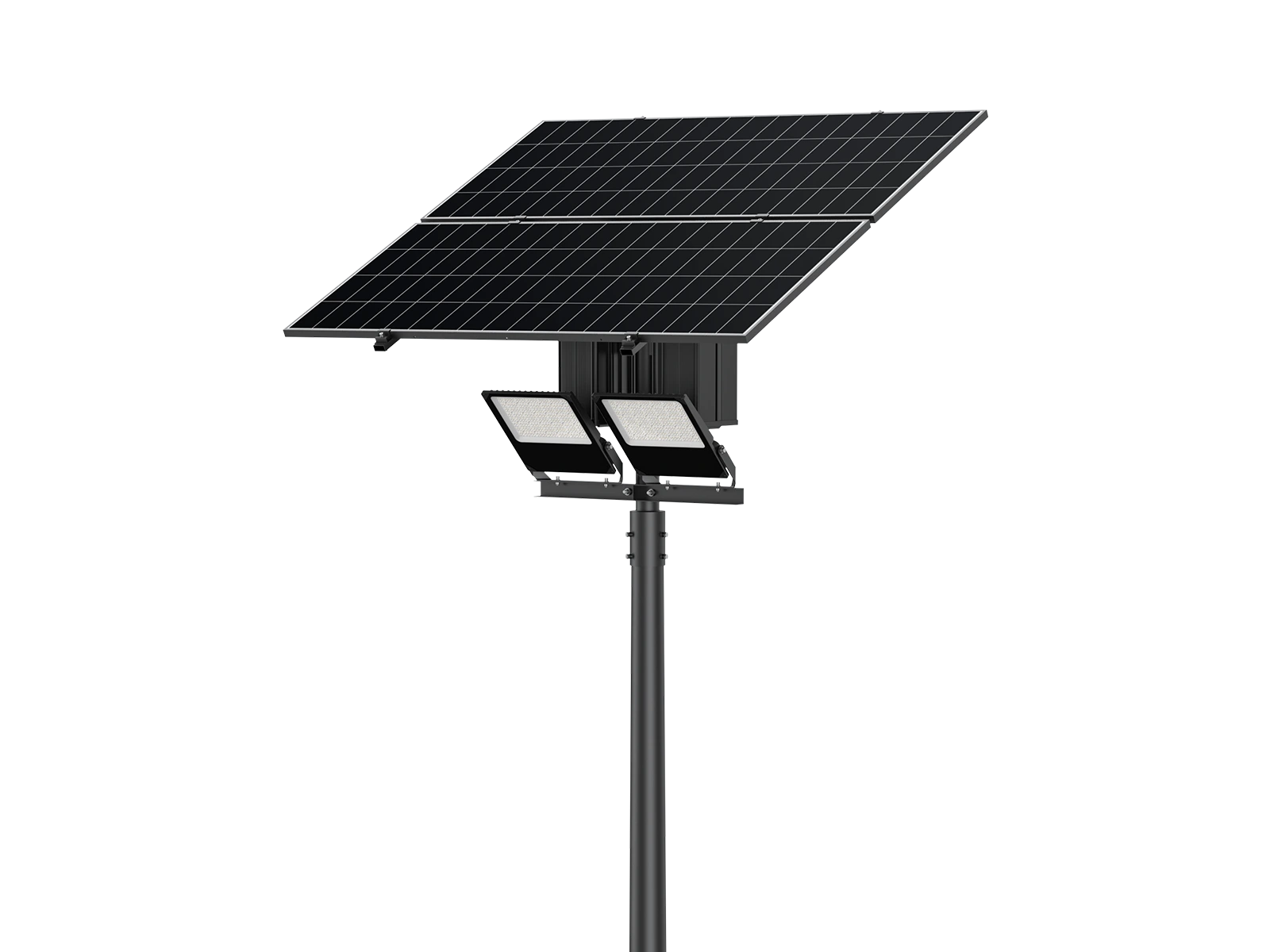
Solar Tube Lights

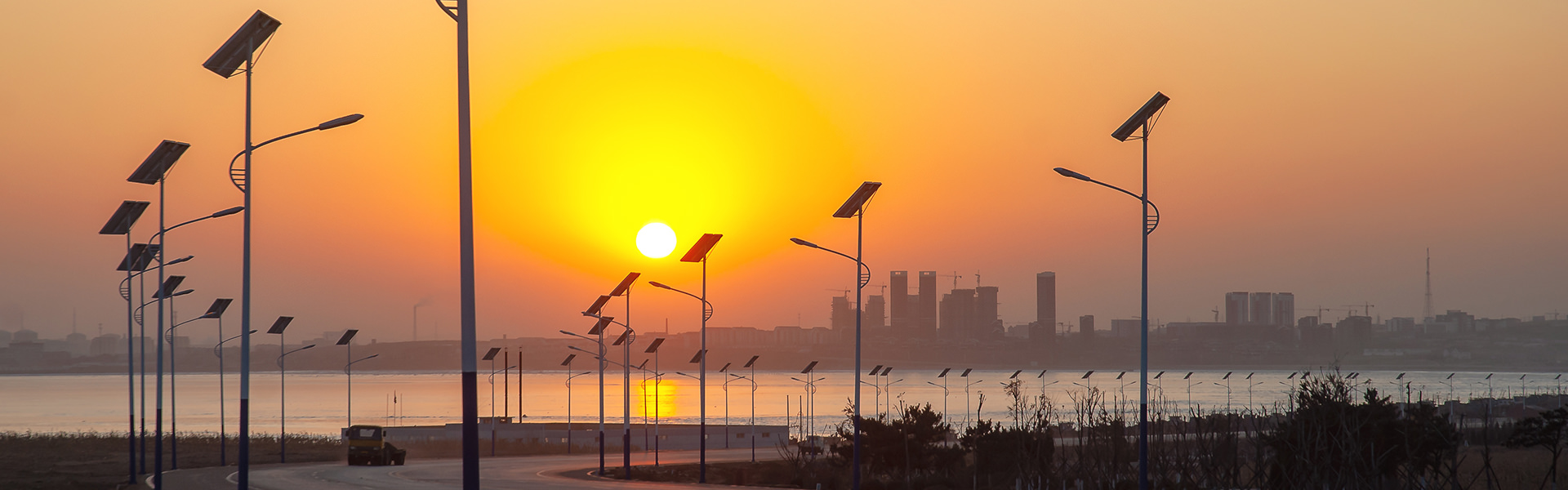
AGC LED solar lights combine LED luminaires, photovoltaic panels, rechargeable batteries, and intelligent controls to provide outdoor lighting without a permanent grid connection. They are suitable for applications where grid power is unavailable, expensive to extend, or difficult to install.
The right solar lighting system depends on LED wattage, light output, optical distribution, solar panel capacity, battery storage, operating profile, and local solar conditions working together. AGC offers solar lighting for roads, pathways, public spaces, industrial yards, security areas, and other outdoor applications, with tailored designs for different lighting requirements.
Which Solar Light Is Right for Your Project?
Select the appropriate solar luminaire configuration based on your mounting environment, area geometry, and lighting criteria:
| Solar Light Type | Best Suited To | Key Considerations |
|---|---|---|
| Solar Street Lights | Roads, streets, parking areas, and pathways | Light distribution, mounting height, spacing, uniformity, and operating profile |
| Solar Bollard Lights | Walkways, parks, gardens, and pedestrian areas | Low-level distribution, spacing, glare, appearance, and motion control |
| Solar Post Top Lights | Parks, plazas, courtyards, and public spaces | Area distribution, mounting arrangement, visual comfort, and appearance |
| Solar Flood Lights | Industrial yards, security areas, sports areas, and signage | Beam angle, coverage, aiming, uniformity, and mounting height |
| Solar Tube Lights | Shelters, sheds, carports, and specialised off-grid sites | Compact installation, material durability, light distribution, and runtime |
How LED Solar Lights Work
A solar lighting system stores energy during the day and uses it to operate the LED luminaire after dark.
1. Solar Energy Generation
The photovoltaic panel converts sunlight into electrical energy. Panel performance depends on solar irradiance, panel orientation, temperature, shading, and seasonal conditions.
2. Battery Storage
The battery stores energy generated during the day for use at night. Battery capacity needs to be matched to the LED load, operating schedule, and required autonomy.
3. Charging & Energy Management
The charge controller regulates charging and manages available energy via MPPT or PWM. Timer dimming, smart dimming, and motion sensing optimize night-time consumption.
4. LED Illumination
The stored energy powers the LED luminaire according to the programmed operating profile. High-efficacy LEDs produce required lux levels while keeping energy consumption under control.
5. Night-Time Operation
The control system manages operations: dusk-to-dawn switching, scheduled dimming, multi-level night output, or motion-responsive lighting for pedestrians and vehicles.
All-in-One or Split Solar Lights?
Solar lighting systems are available in different physical configurations. The right design depends on the installation and energy requirements.
All-in-One Solar Lights
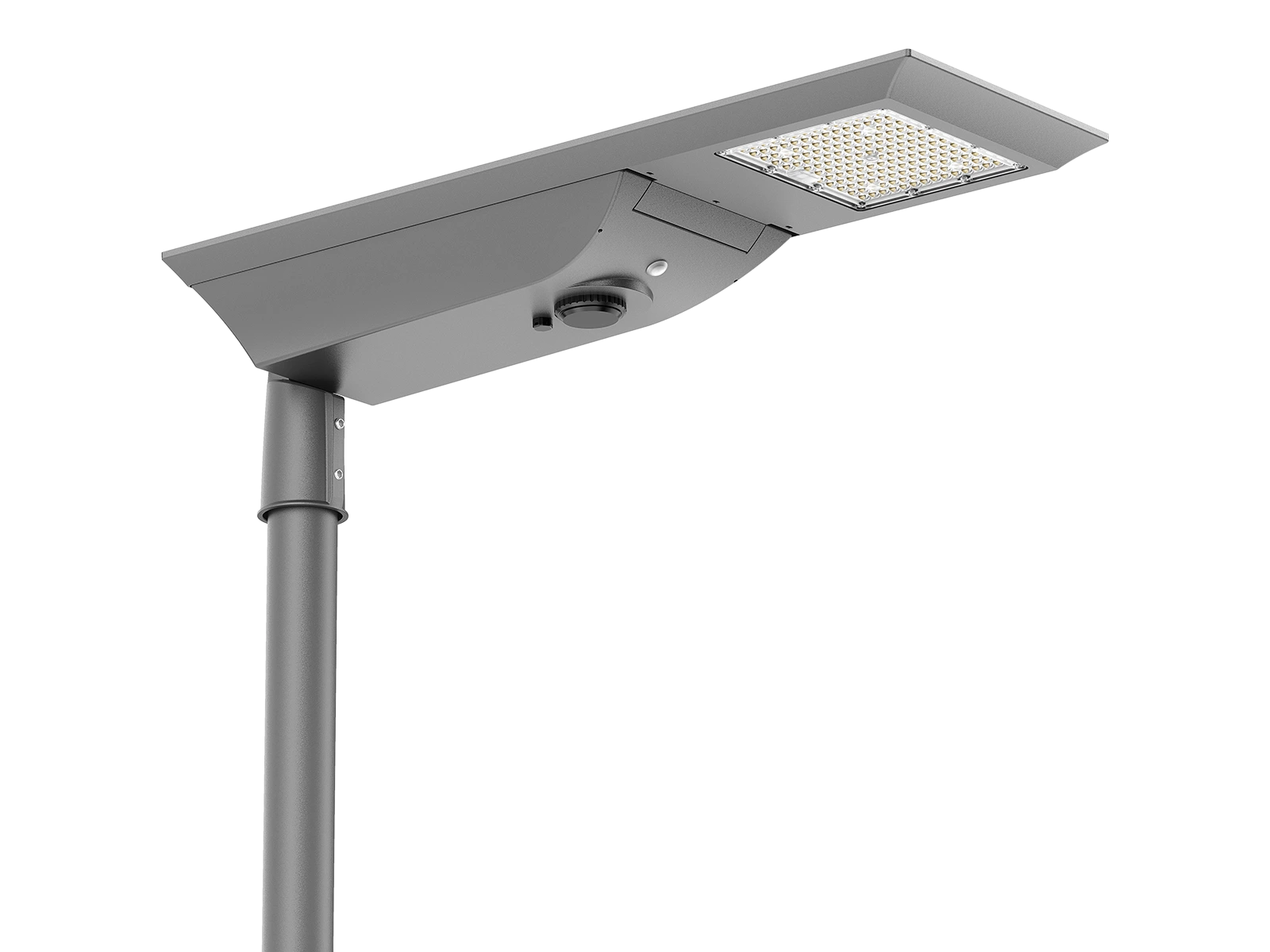
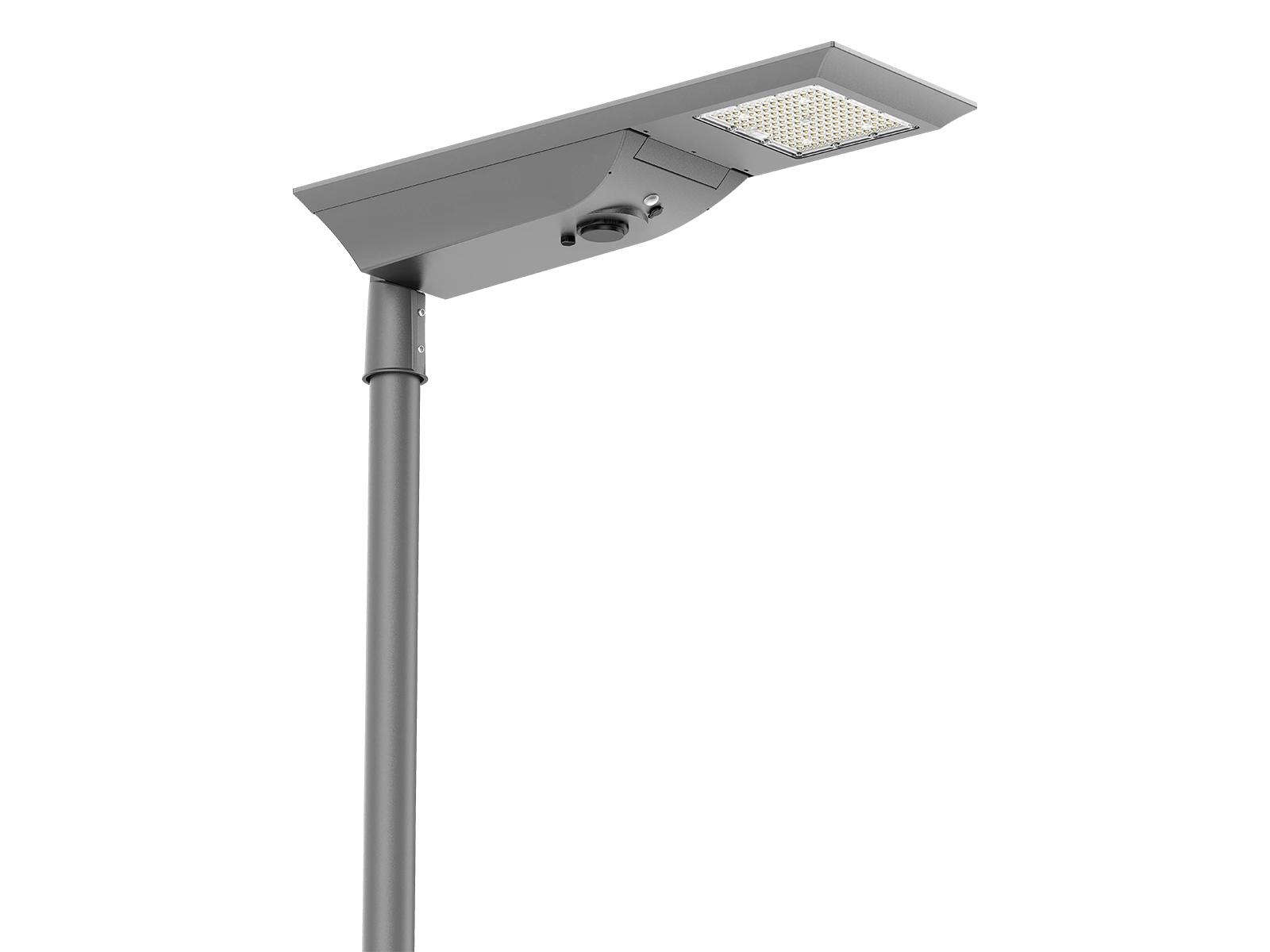
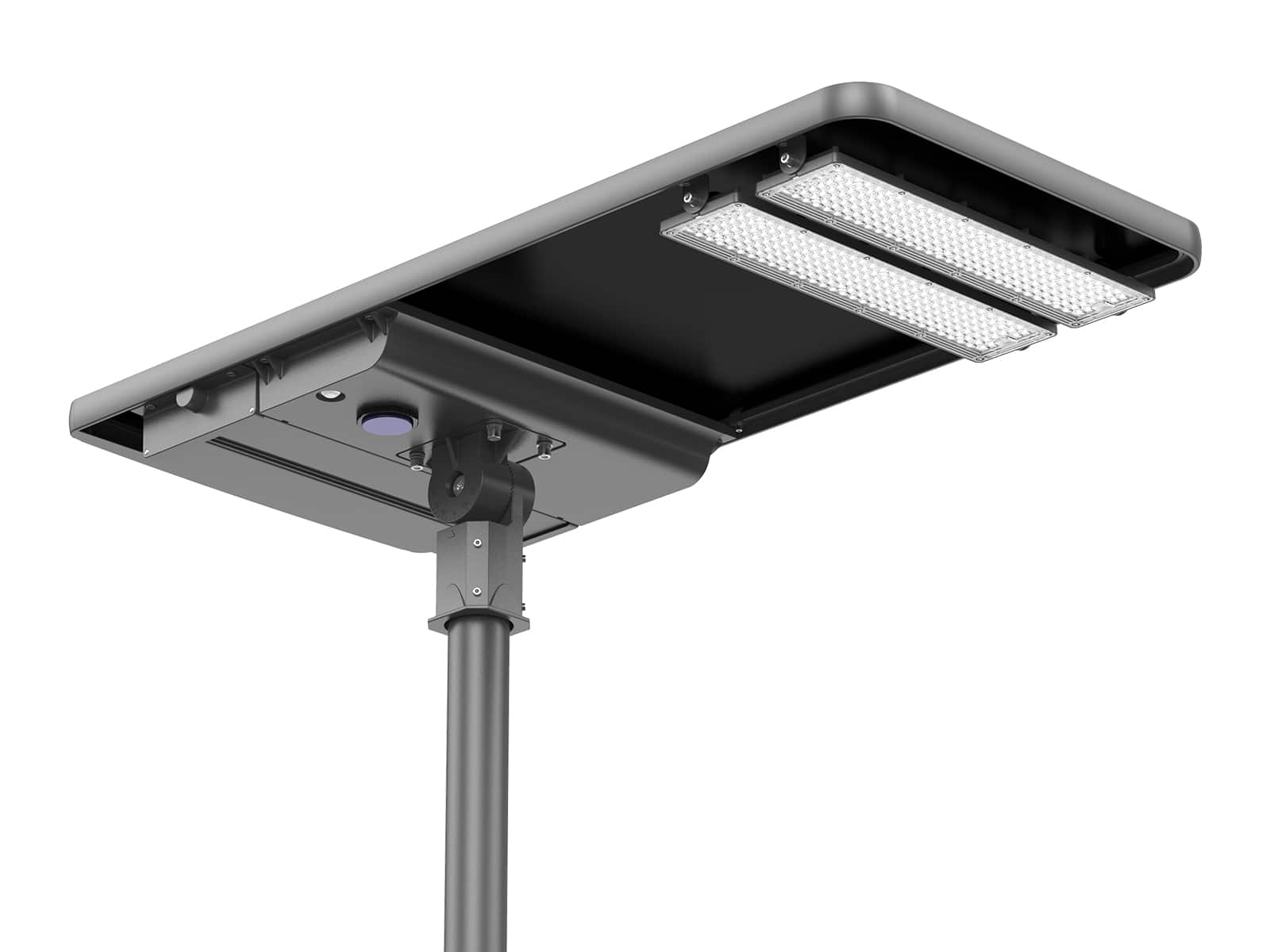
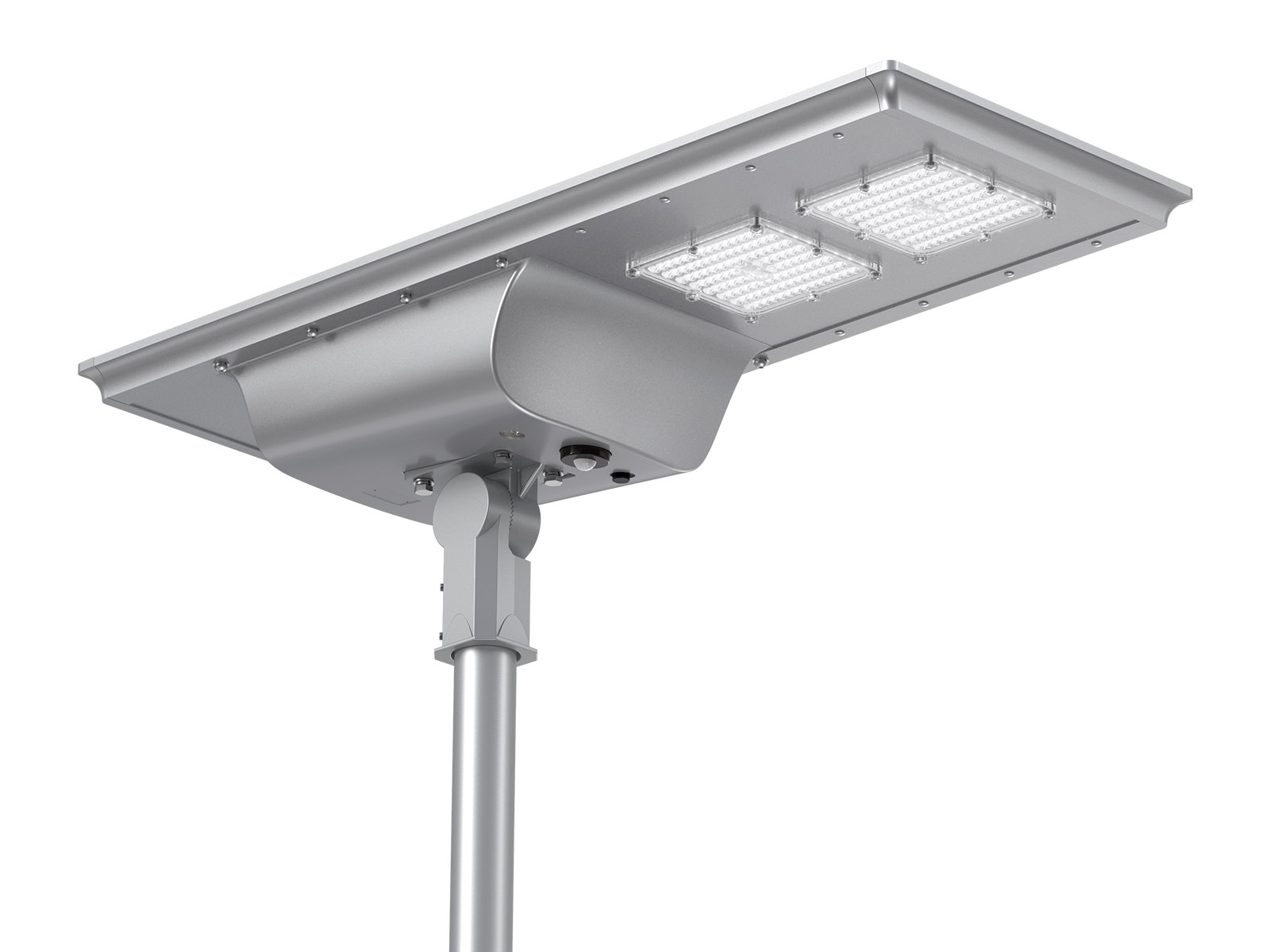
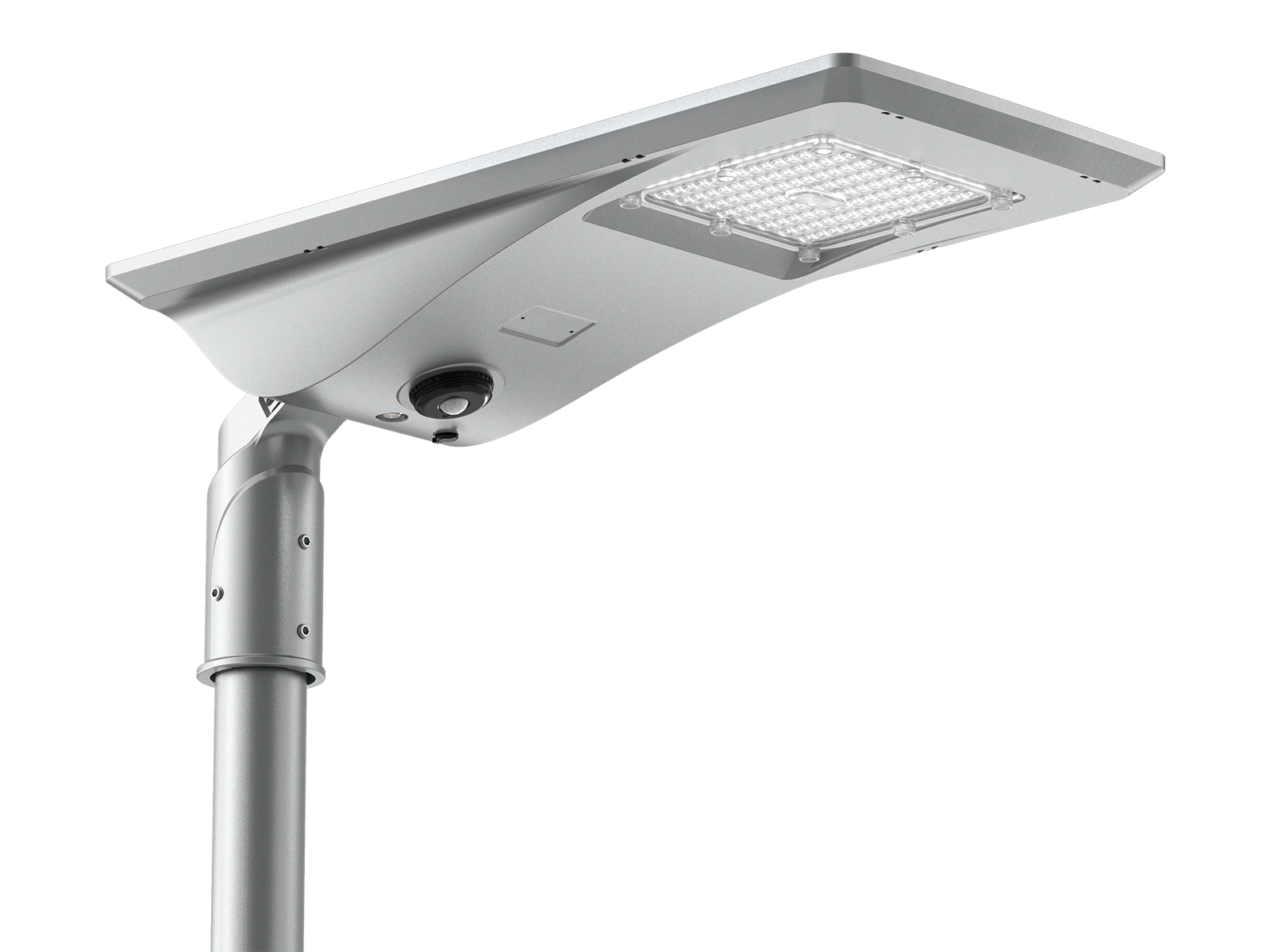
An all-in-one solar light integrates the solar panel, battery, LED module, and control components into a single luminaire.
- Compact installation footprint
- Fewer external connections & pre-wired protection
- Straightforward, cost-effective installation
- Easy integration for standard street and pathway applications
Split Solar Lights
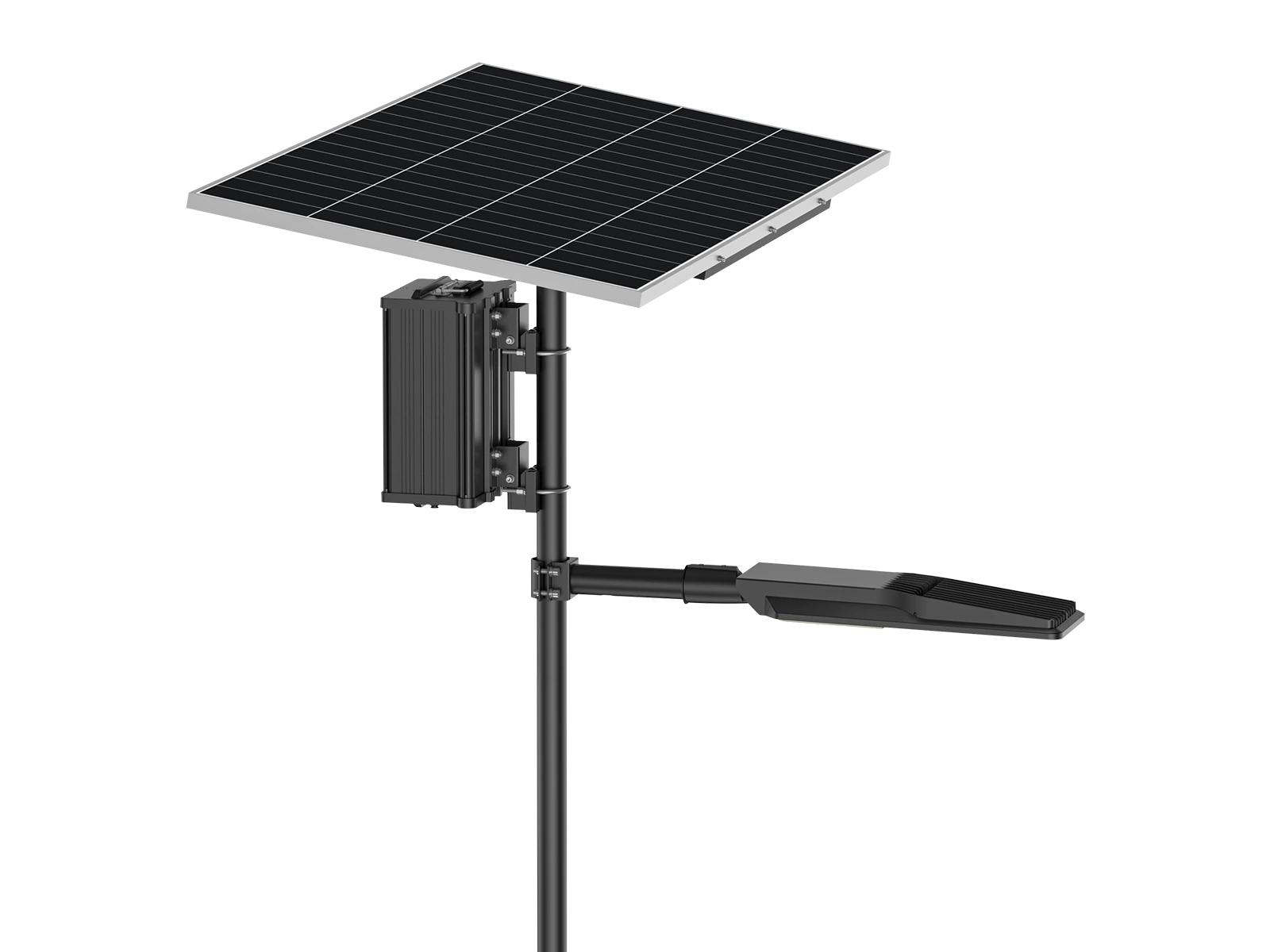
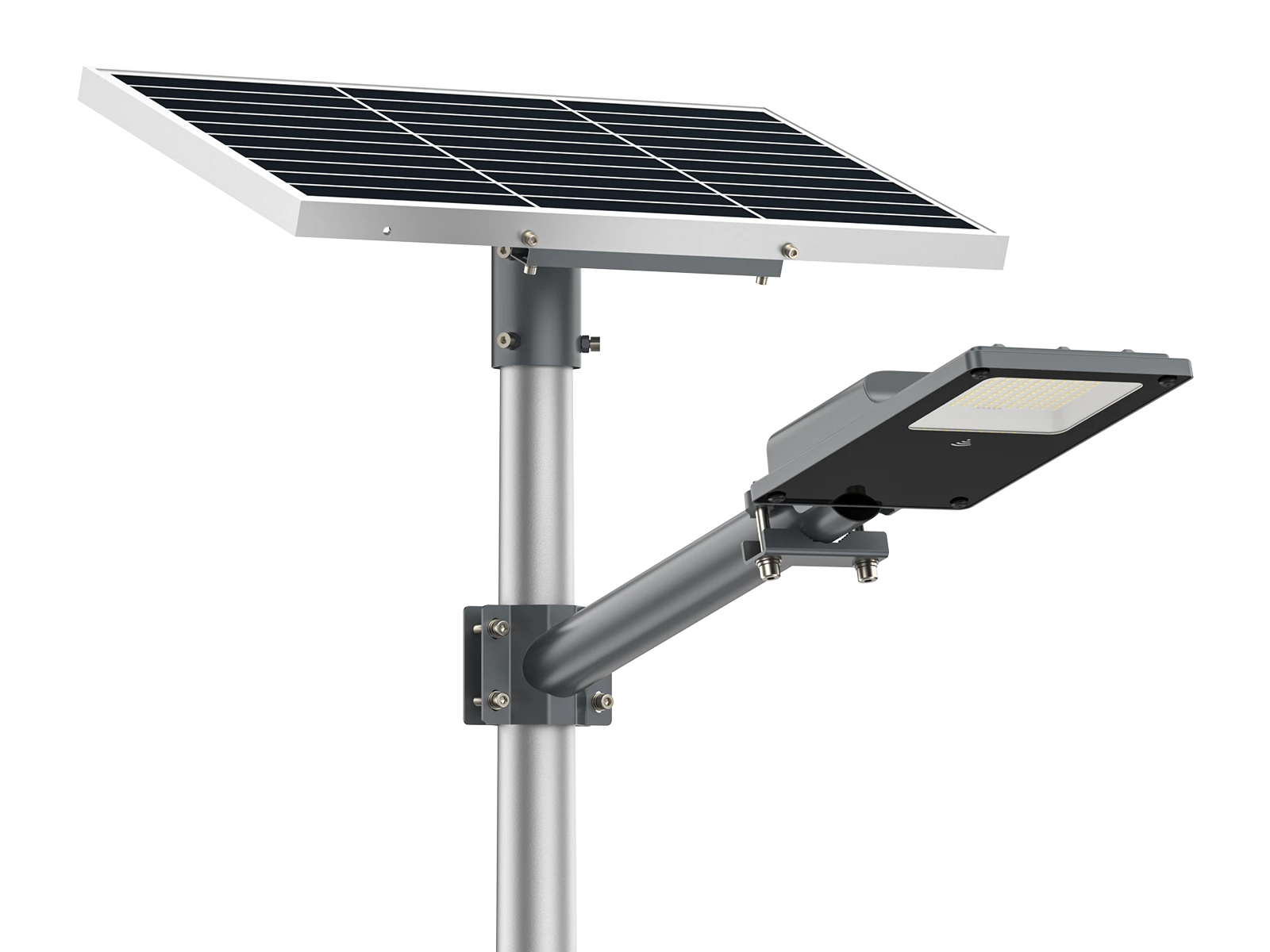
A split solar light separates the photovoltaic panel from the LED luminaire and battery system.
- Greater positioning flexibility: independent orientation of solar panel and light fixture
- Supports higher energy generation with oversized PV panels
- Accommodates larger battery banks for extended days of autonomy
- Ideal for shaded pathways, high-power floodlights, and industrial high-mast sites
Technical & Environmental Design Considerations
To ensure reliable, year-round performance, solar lighting systems must be specified according to local site conditions and environmental parameters:
Cold Climate
Battery behaviour changes at low temperature, and many systems are specified for operation between roughly 0 °C and +50 °C. Sub-zero sites need the battery management approach, insulation, or heating confirmed before ordering, not discovered on site.
Long Overcast Seasons
Projects in regions with prolonged cloud cover or low seasonal sun hours require an increased Days of Autonomy calculation. Factoring higher-capacity PV panels and larger battery banks into the initial design prevents unexpected mid-project cost adjustments.
Shaded Sites
Partial shading from tree canopies, architectural overhangs, or adjacent structures severely reduces daily energy yield. Performing a solar site assessment prior to final system selection ensures accurate system sizing and avoids costly post-installation adjustments.
What Determines Solar Lighting Performance?
A reliable solar light is a complete system. A high-output LED alone does not guarantee good performance. The solar generation, battery storage, charging system, optics, and operating profile must be properly matched.
Light Output and LED Efficacy
Wattage indicates electrical power consumption, but it does not tell you how much useful light a luminaire produces. Lumen output and efficacy are more useful when comparing lighting performance.
Efficacy is measured in lumens per watt (lm/W). A more efficient LED system can produce the required light output using less electrical energy. This reduces the energy that needs to be generated and stored by the solar system.
AGC's solar range includes products with efficacy up to 200 lm/W. Actual performance varies by product and configuration.
Solar Panel Capacity
The solar panel needs to generate enough energy to support the lighting load and recharge the battery. Panel sizing should take into account:
- Daily lighting energy consumption
- Local solar conditions & seasonal variation
- Panel orientation and shading
- Charging losses & required battery recovery
- Expected periods of limited sunlight
Designing only around average daily sunlight can leave insufficient energy for battery recovery during extended periods of poor weather.
Battery Capacity and Chemistry
The battery determines how much electrical energy can be stored for night-time operation and periods of reduced solar generation.
LiFePO4 is used across much of AGC's solar range because of its combination of cycle life, thermal stability, and suitability for repeated charging and discharging. Battery performance still depends on depth of discharge, temperature, charging conditions, and operating profile.
Battery capacity should therefore be considered together with LED power and control settings. A larger battery does not automatically produce a better system if the solar panel and charging system cannot provide enough energy to recharge it.
Charging and Energy Management
The charge controller affects how effectively available solar energy is transferred to the battery.
MPPT controllers track the panel's operating point and generally provide better energy harvesting than simpler PWM control under changing panel voltage, temperature, and solar conditions.
Energy management is equally important. Dimming the luminaire during periods of low activity can reduce the nightly energy requirement, while PIR or motion detection can increase output only when illumination is needed.
AGC's current product range includes MPPT and PWM configurations, as well as timer dimming, smart dimming, and PIR-based control options.
Optical Performance
Solar lighting is not only about producing enough lumens. The light needs to be distributed correctly across the target area.
The appropriate optical distribution depends on the application, mounting height, area geometry, and required uniformity.
Environmental Protection
Outdoor solar lighting is exposed to rain, dust, temperature changes, UV radiation and, in some locations, salt or industrial pollutants.
The appropriate protection depends on the installation environment. IP rating addresses protection against ingress of solids and water, while IK rating indicates resistance to mechanical impact. Materials, fasteners, seals, connectors, and mounting components should also be suitable for site conditions.
For coastal and industrial applications, corrosion resistance deserves particular attention. The solar panel, luminaire housing, battery enclosure, and mounting hardware all form part of the outdoor system.