In modern cattle farming, lighting affects not only cattle performance but also farm profitability. Proper lighting can boost milk production, improve fertility, and increase feed intake.
However, the associated energy costs can be substantial. According to the Dairy Farmers of America, lighting accounts for about 14% of an average farm’s annual energy consumption.
This leads to an important question: how can farmers provide lighting that meets cattle's needs while keeping costs down?
The basic idea is simple: better lighting leads to healthier cows, which results in increased output and lower labor and operating costs, ultimately, higher profits.
How Cattle See Light
To understand how to meet cattle’s lighting needs, we first need to learn how they perceive light.
A common misconception is that cattle, including bulls, “hate” the color red. In reality, cattle are dichromatic and red–green color-blind. They have only two types of cone cells, which are most sensitive to blue and yellow wavelengths. As a result, they cannot perceive red in the same way humans do. A bright red object may appear to them as a shade of grey or brown. So many farms use dim red light during the dark to keep them calm.
Cattle’s eyes are adapted to detect movement and spot predators, particularly in low-light conditions. They have better vision in dim environments than humans, which helps them stay alert at dawn, dusk, and night.
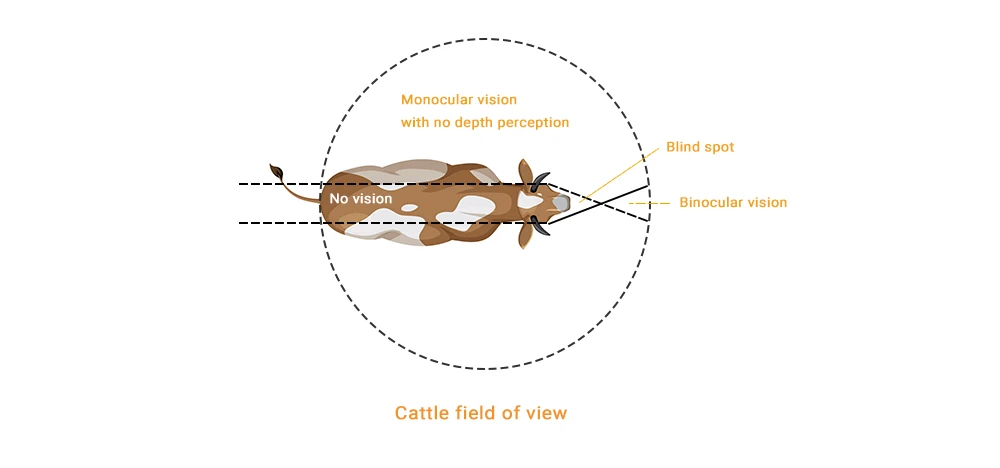
With eyes positioned on the sides of their heads, cattle have a wide field of view ( over 300 degrees), allowing them to see movement from nearly all directions. However, this comes at a cost: their binocular vision zone is small, and their depth perception is poor. Because of this, changes in light or shadows can appear as solid obstacles, affecting how they move.
For these reasons, uniform, consistent lighting is essential for reducing stress and ensuring safe movement in cattle facilities.
How to Light Your Barn for Better Cattle Performance
On a cattle farm, you might have dairy cows, dry cows, and beef cattle. Each group has its own needs when it comes to light. Good lighting can help cows eat more, improve fertility, and produce more milk.
General Barn Areas and Walkways
Both worker safety and cattle welfare are essential in barn areas and walkways.
Uniform lighting is the basic. Cattle have poor depth perception and are sensitive to sudden changes in light. Maintaining a consistent, even light level across all floor areas helps prevent “balking” and ensures smooth movement
Proper lighting is also crucial for worker safety and efficiency. Tasks such as cleaning, maintenance, and monitoring cattle health require clear visibility. A light level of approximately 100-200lux on the floor is recommended.
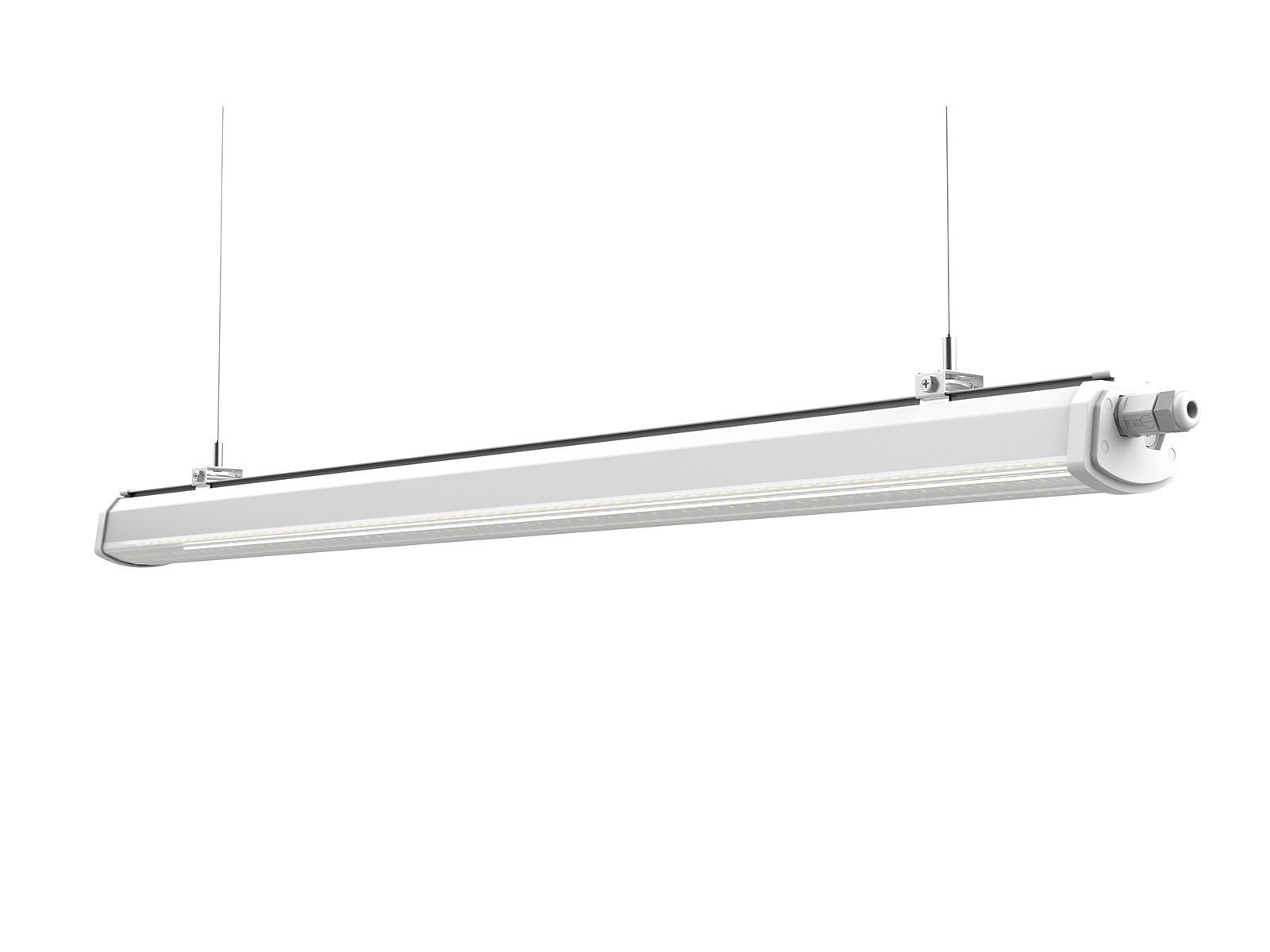
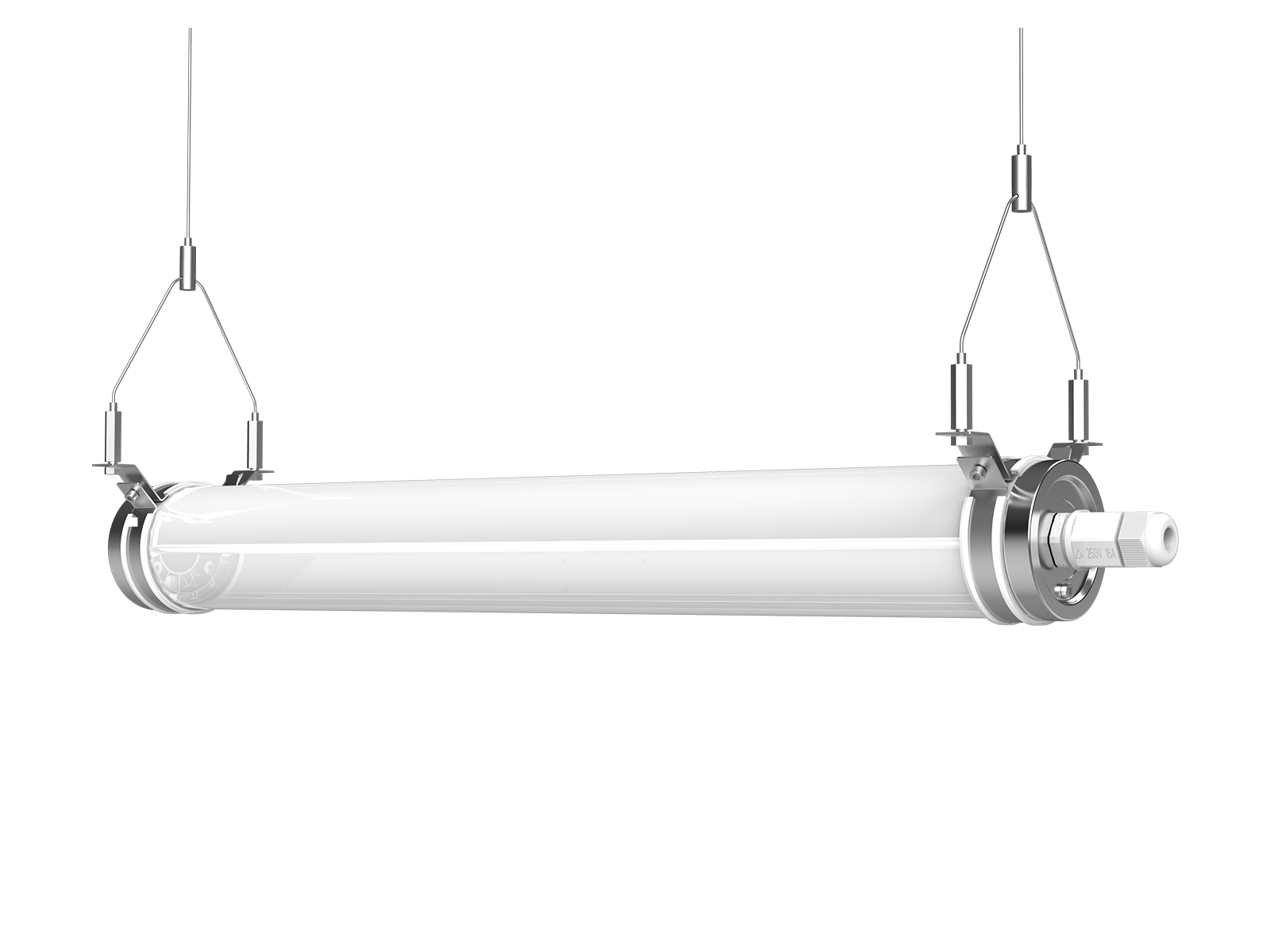
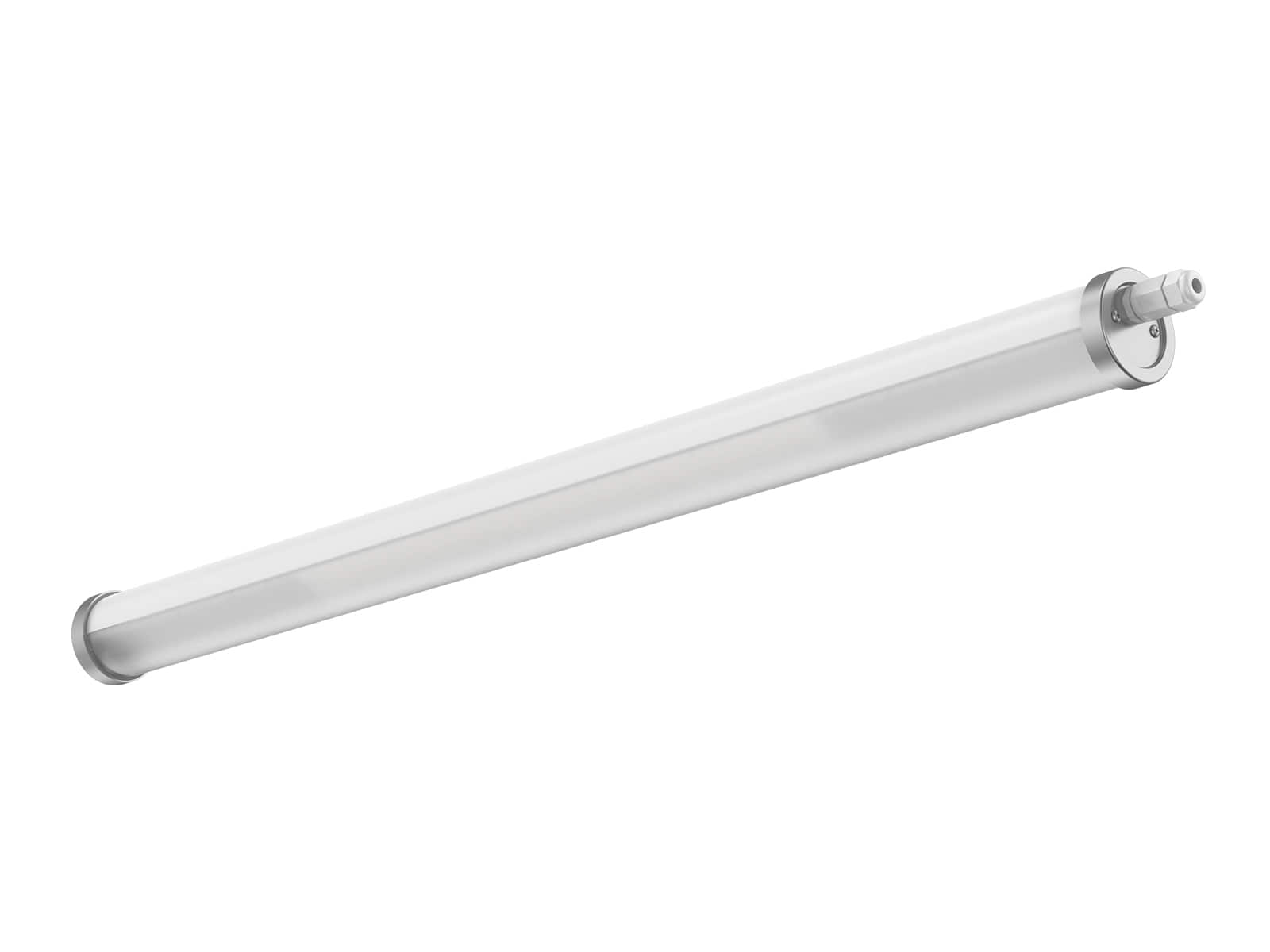
Durable lighting fixtures are important, too. Barn environments often contain dust, moisture, and corrosive ammonia from animal waste. Lighting fixtures must therefore be durable, with high IP ratings (higher than IP65 or even IP69K) and corrosion resistance, to ensure safe and stable operation over time.
Dairy Cattle
For dairy cows, the main goal of lighting is to help them produce more milk.
One proven method is called the Long-Day Photoperiod (LDPP). This means giving cows 16–18 hours of light followed by 6–8 hours of darkness each day. Research shows that cows on LDPP can make up to 10% more milk than cows exposed only to natural daylight.
Using dim red light at night is a good choice. Because red light doesn’t reduce melatonin, cows stay calm and maintain healthy hormonal rhythms.
Why does this work? Cows use changes in light to set their internal clock. This affects the release of melatonin, which in turn controls the production of a hormone called IGF-1. IGF-1 stimulates the udder to produce more milk.
The strength of the light matters too. Aim for a brightness of around 150–200 lux. Bright, even lighting makes cows more relaxed and willing to move toward the milking parlour or robot. It also helps farm workers see clearly, making it easier to check on the herd and spot any health issues early.

Dry Cows
For dry cows, the goal is to prepare them for the next lactation so they can produce more milk.
Unlike lactating dairy cows, dry cows do best under a Short-Day Photoperiod (SDPP). This means providing 8 hours of light and 16 hours of darkness each day. This shorter light period helps “reset” their internal clock, making them more responsive to a long-day lighting program in their next lactation.
Light intensity should also be lower, around 80 lux. This dimmer lighting supports the reset process and ensures that, when they return to milking, a long-day schedule with brighter light can again boost milk production.
Beef Cattle
For beef cattle, gaining weight quickly is important to make a good profit.
Just like dairy cows, beef cattle grow better when they have long daylight hours. Giving them 16 hours of light and 8 hours of darkness each day can help their hormones work better and make them eat more, which leads to more weight gain.
For best results, light intensity must also be optimized. During the light period, an intensity of about 150–200 lux is recommended, while during the dark period, it should be kept below 50 lux.
This helps keep their body clock (circadian rhythm) working well and supports healthy growth.
Case Study: Boosting Cattle Shed Performance with Low-Bay Lighting
Our customers approached us with a clear goal: improve herd performance through better lighting.
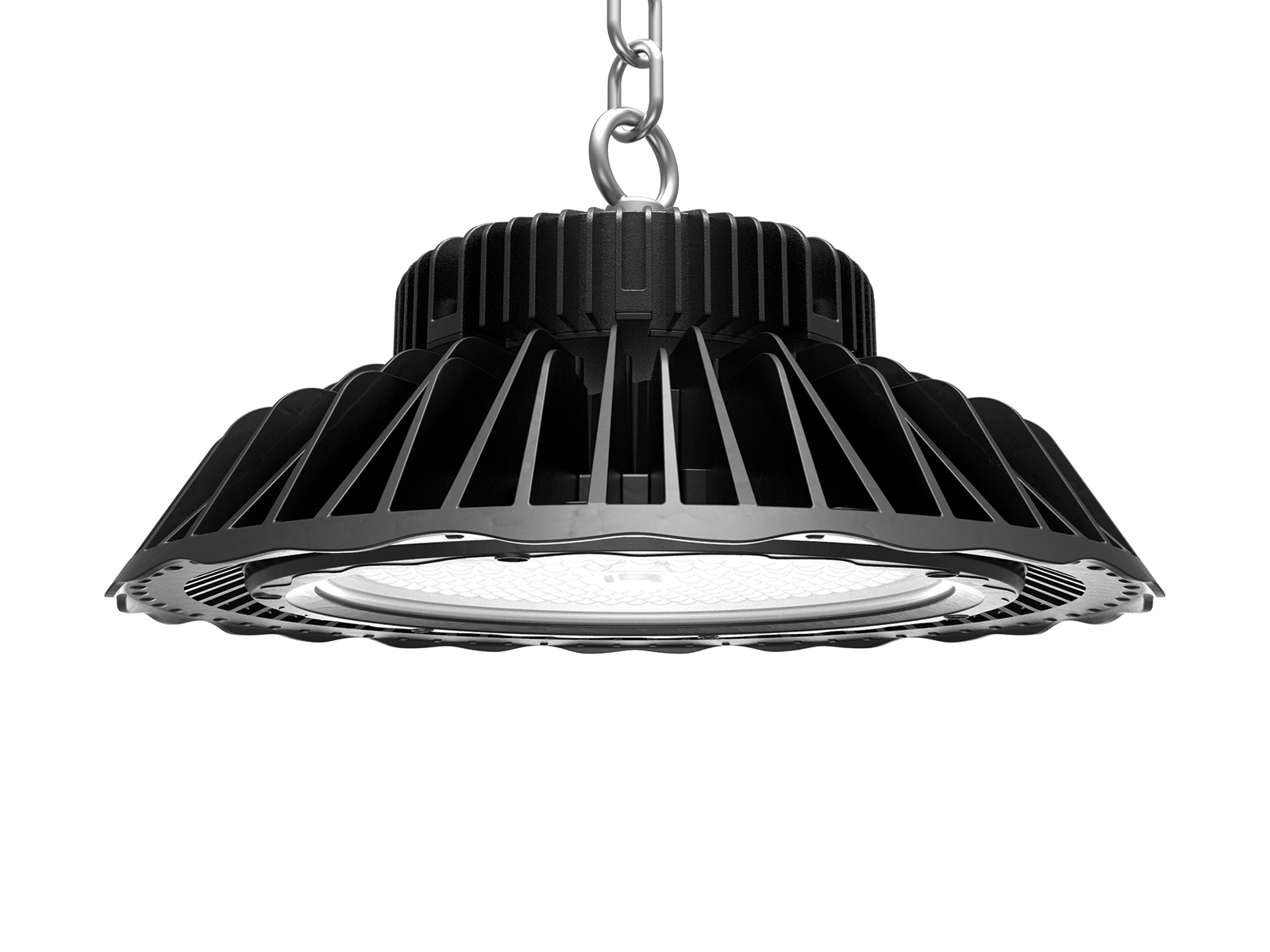
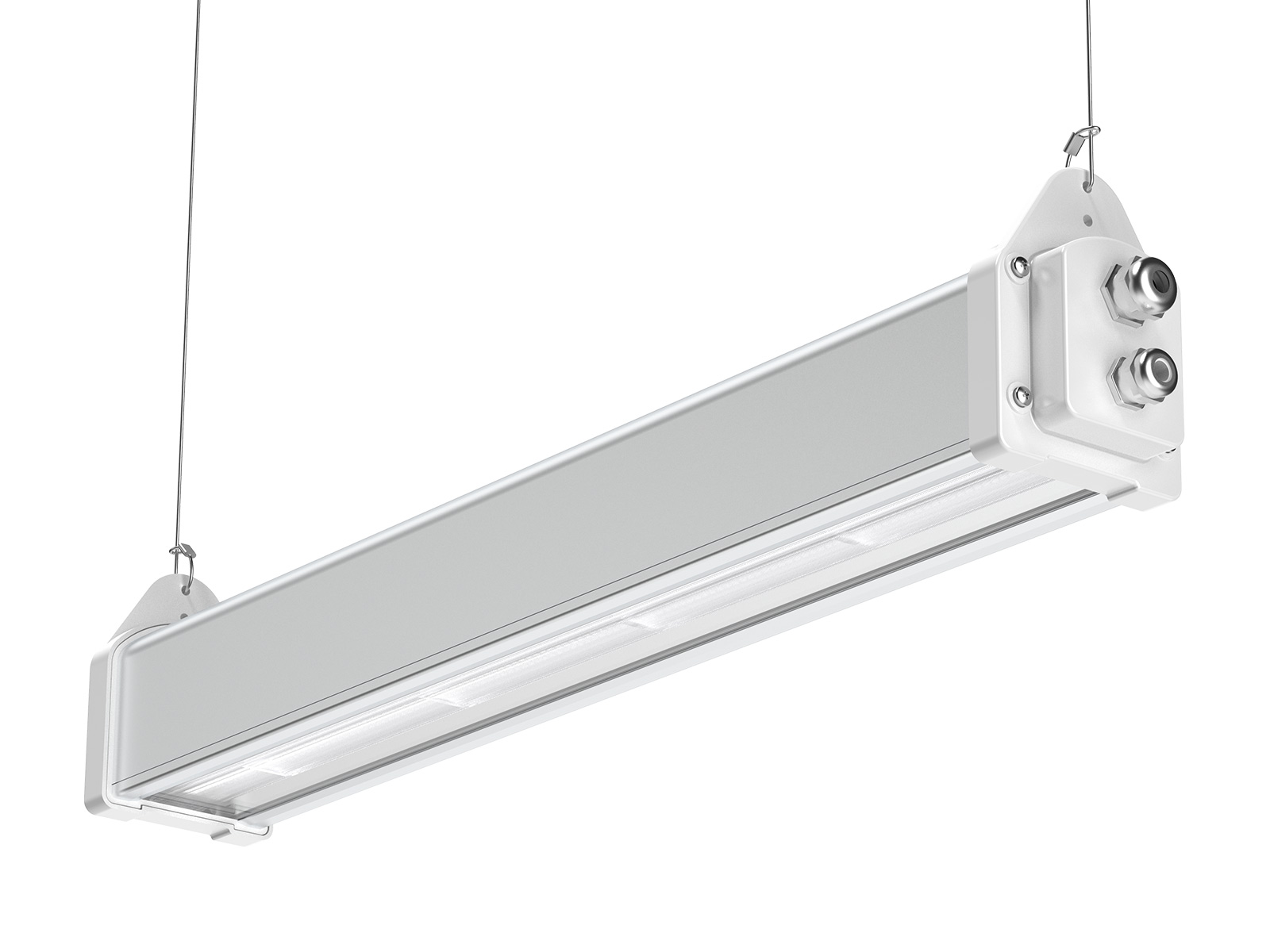
We understood that cattle thrive in environments with uniform, consistent illumination, so we conducted a detailed assessment of the shed’s size and structure. Using this data, we developed a lighting design that positioned our high-efficacy low-bay fixtures for maximum uniformity and brightness.
The result was an evenly lit shed that supports cattle comfort, reduces stress-related behaviors, and enables staff to work more efficiently.

FAQ
Do cows need light at night?
Cows do not need light at night to find feed or water. In fact, their night vision is better than that of humans, allowing them to see well in low-light conditions. However, some lighting may be required for management purposes, such as monitoring, inspections, or milking in the dark hours.
Since cows are red–green color-blind, why use dim red light at night?
Because cows are red–green color-blind, dim red light does not significantly affect their perception of darkness. This makes it an excellent choice for night lighting in dairy barns, as it allows humans to see while minimizing disruption to the cows’ natural rhythms. Dim red light does not suppress melatonin production, helping to maintain healthy physical, mental, and behavioral cycles.
Do you provide dim red lights?
Absolutely. At AGC, we design and deliver customized lighting solutions to match your exact requirements, helping you succeed in bids and projects.