Understanding Explosion Hazardous Area
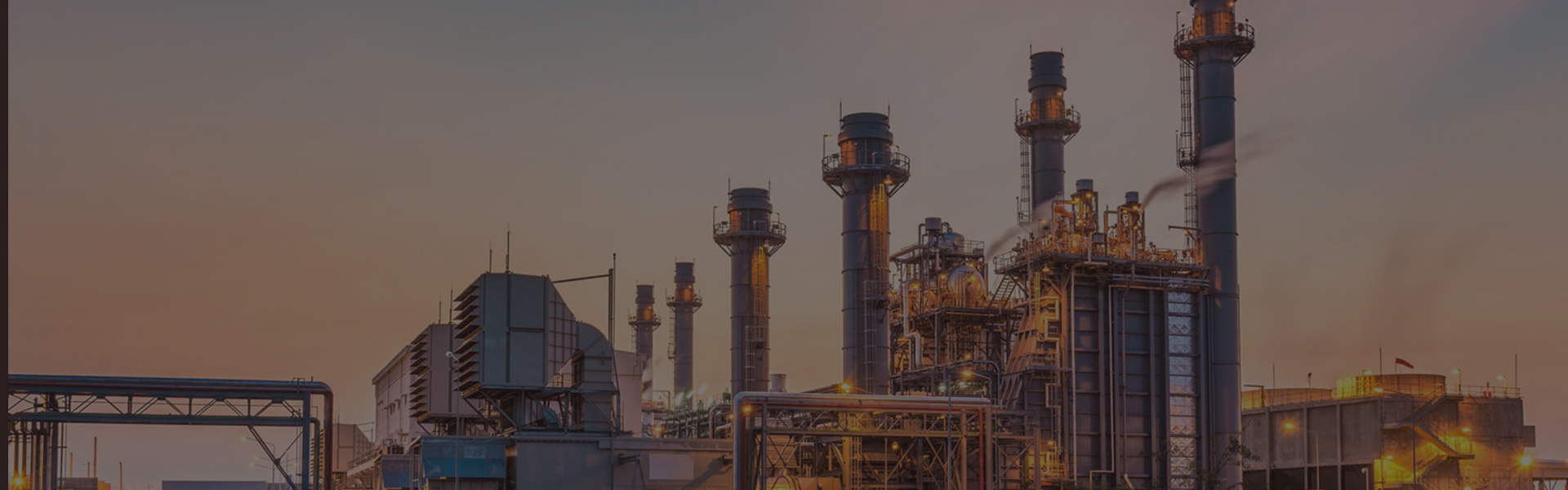
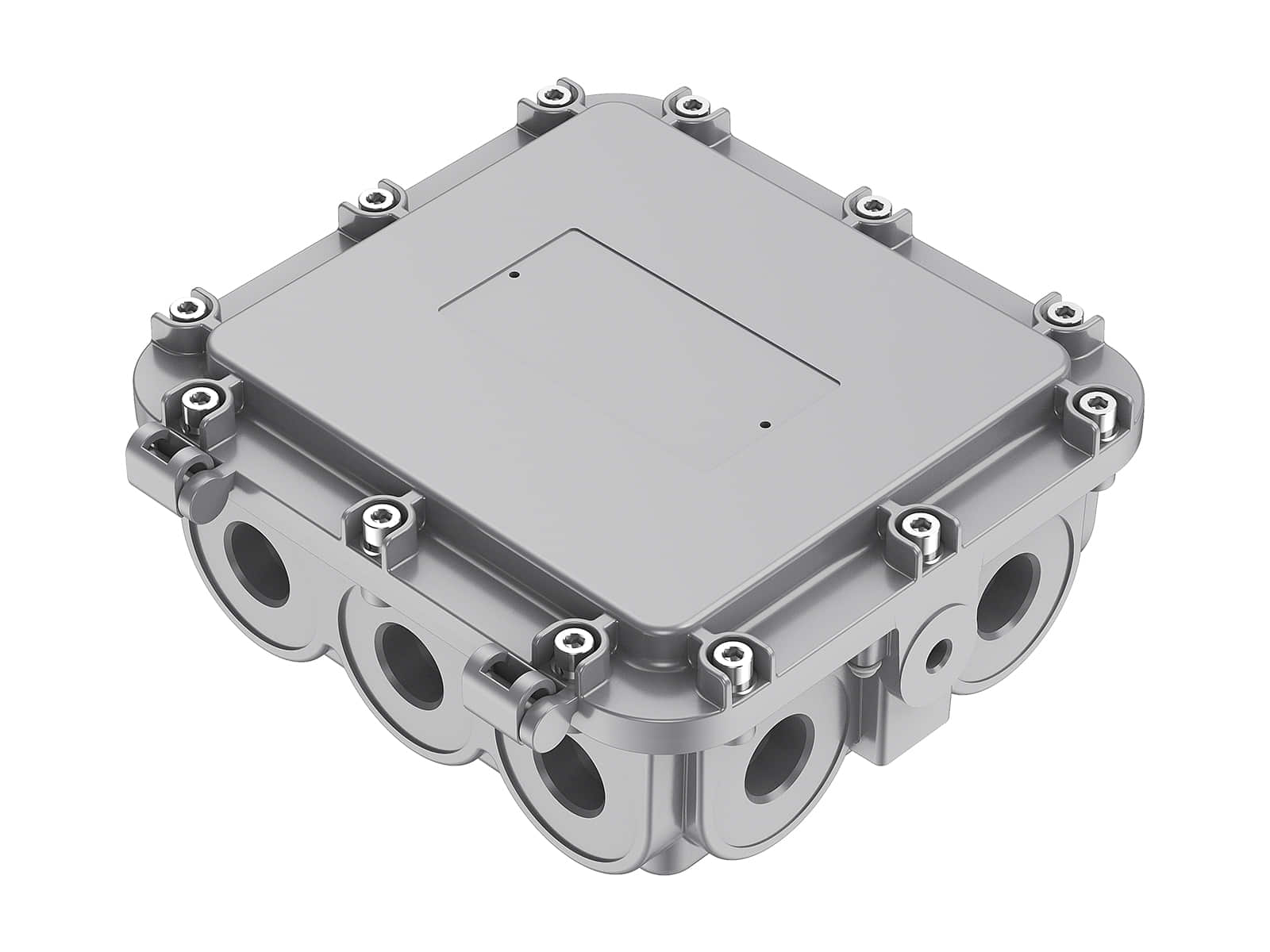
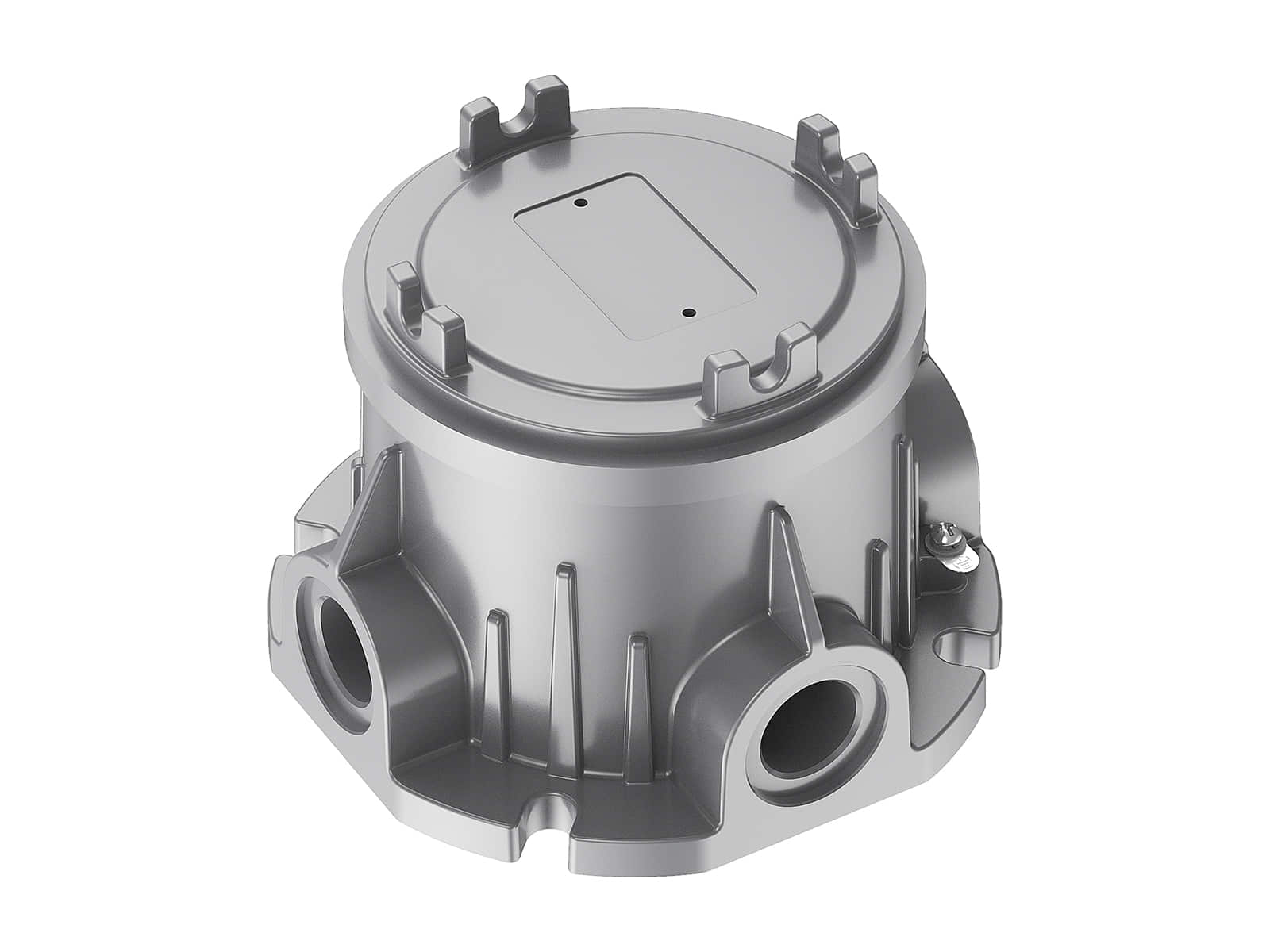
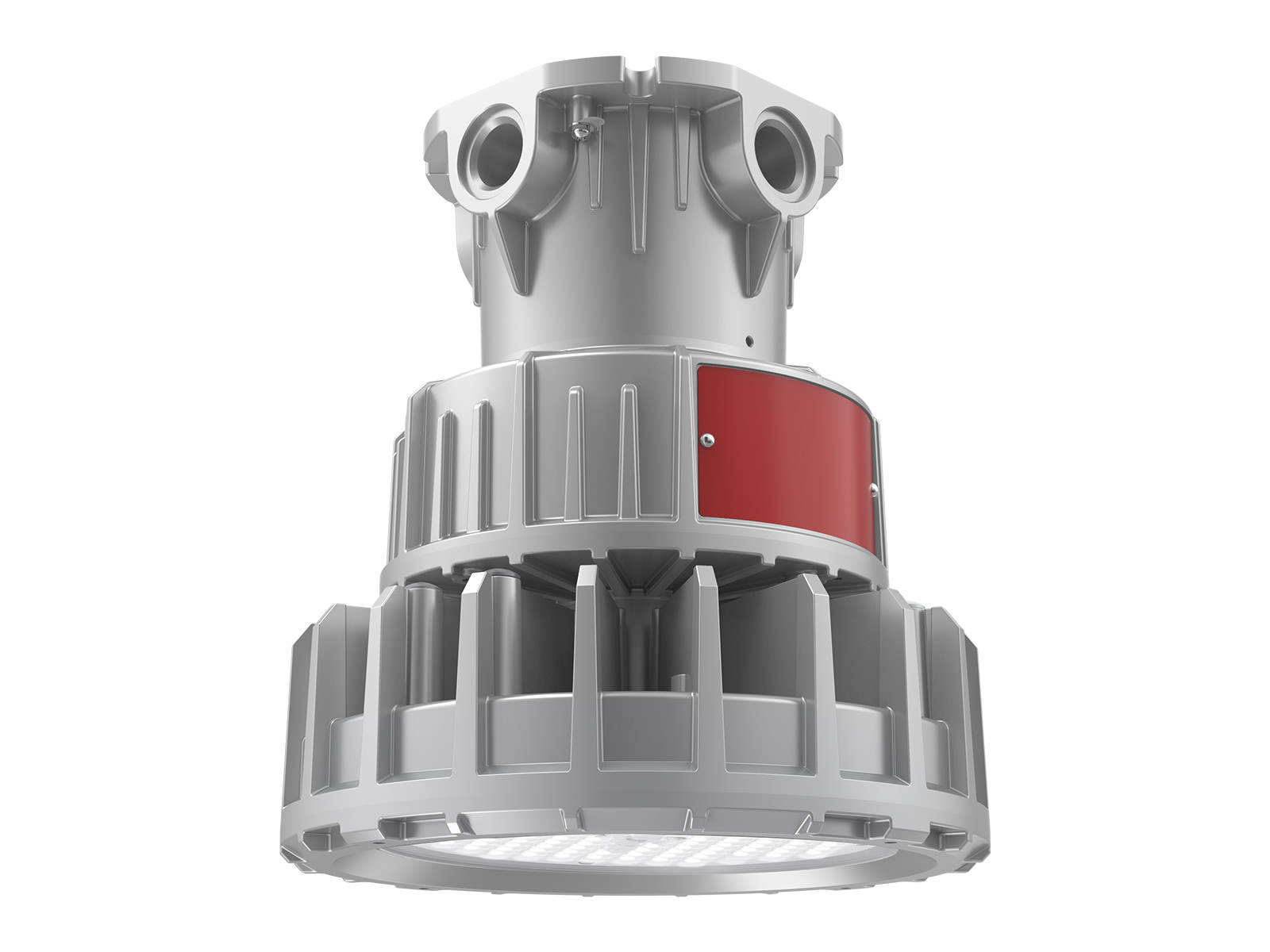
Hazardous industrial environments contain flammable gases, liquids, vapors, dust, or combustible fibers. When these substances mix with oxygen and an ignition source at certain concentrations, they can create a fire or explosion hazard. Explosion-proof LED lights are designed for safe use in these areas, reducing the risk of fires caused by interactions with LED fixtures.
Flammable substance
Oxygen
Ignition source

Hazardous Area Safety Standards
The type of flammable substances in a hazardous location determines its hazard levels and zones. It must adhere to strict safety regulations, which vary from country to country.
Explosion Hazardous Sites
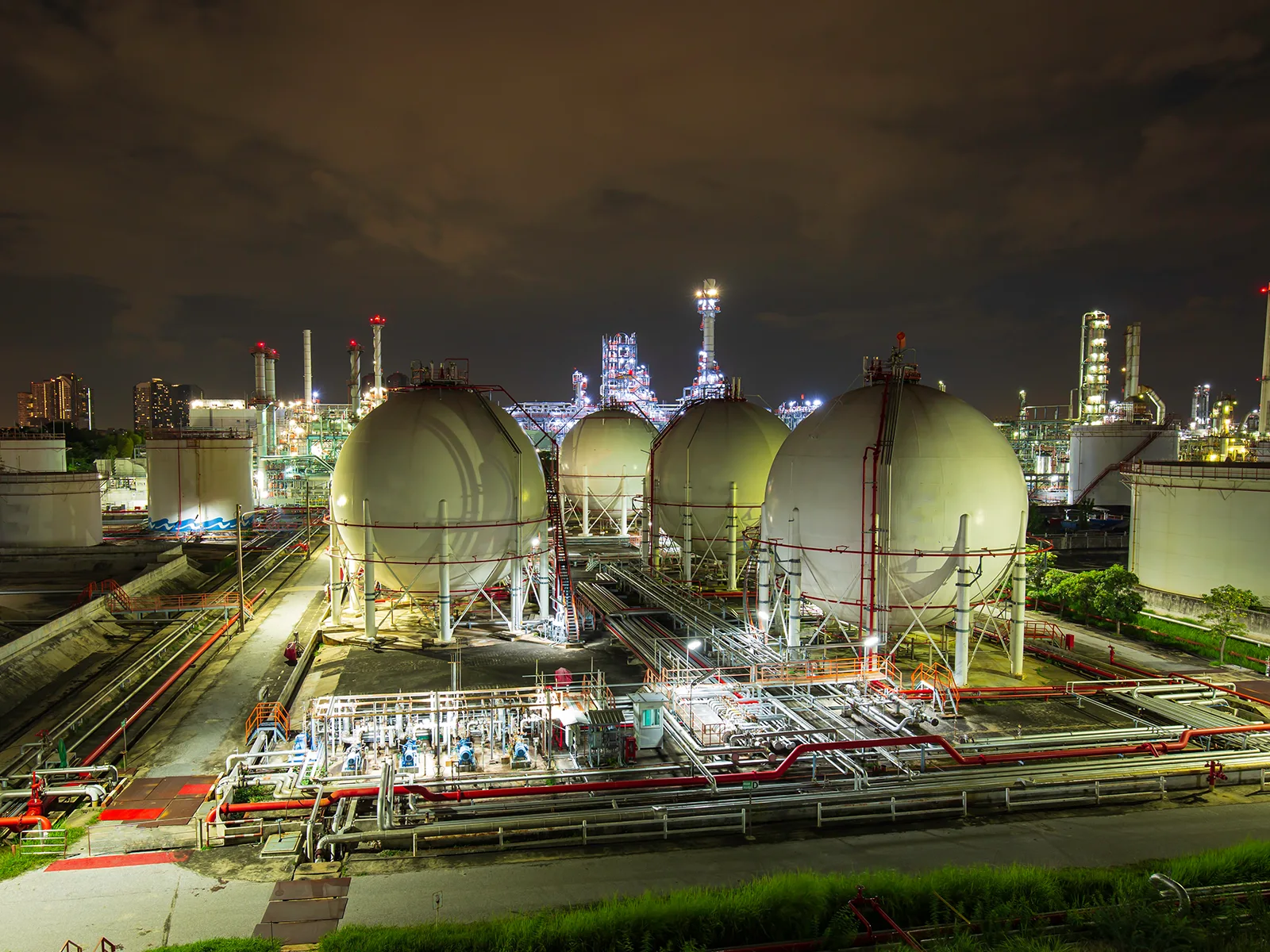
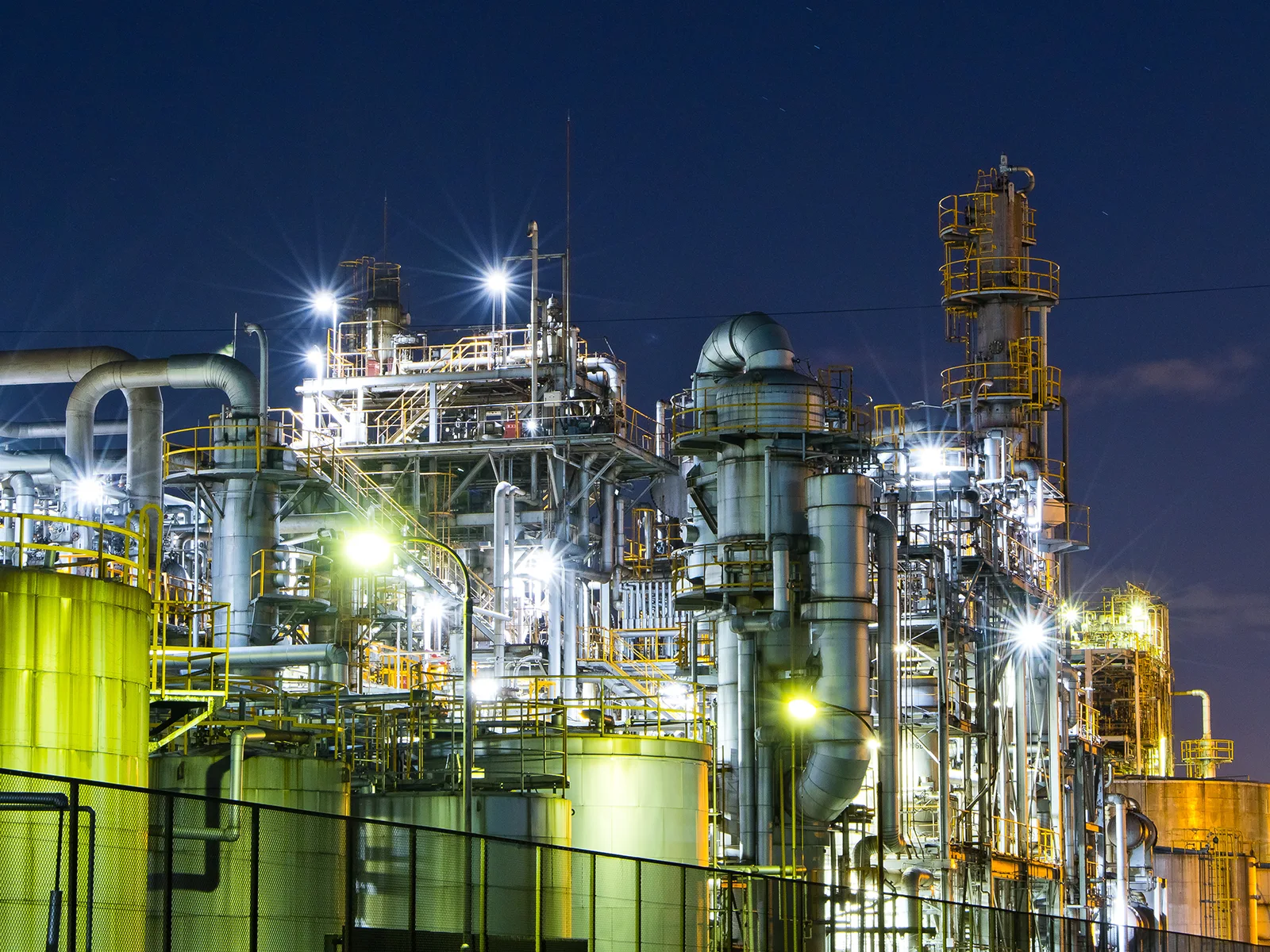
Oil & gas refineries
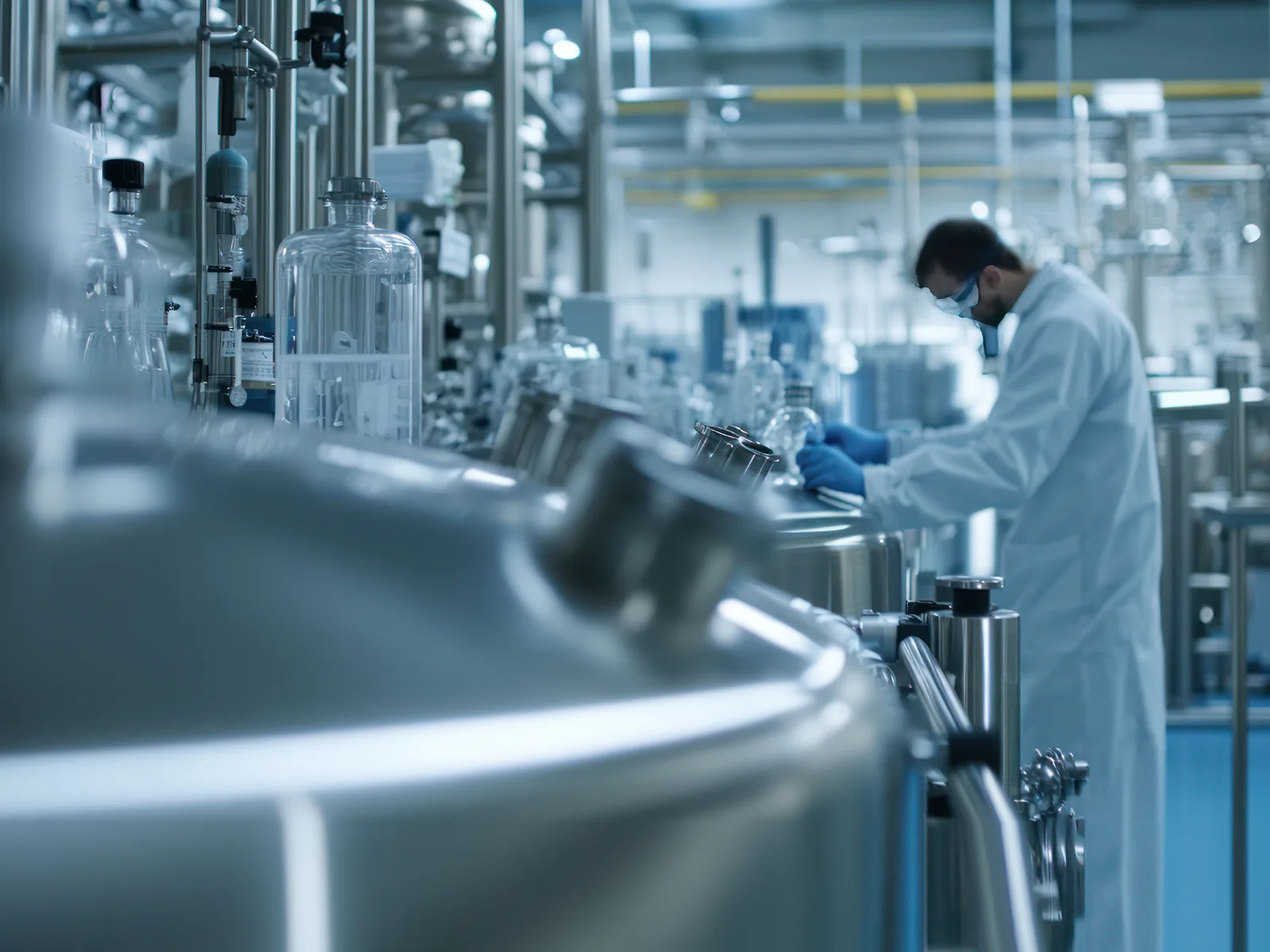
Chemical plants
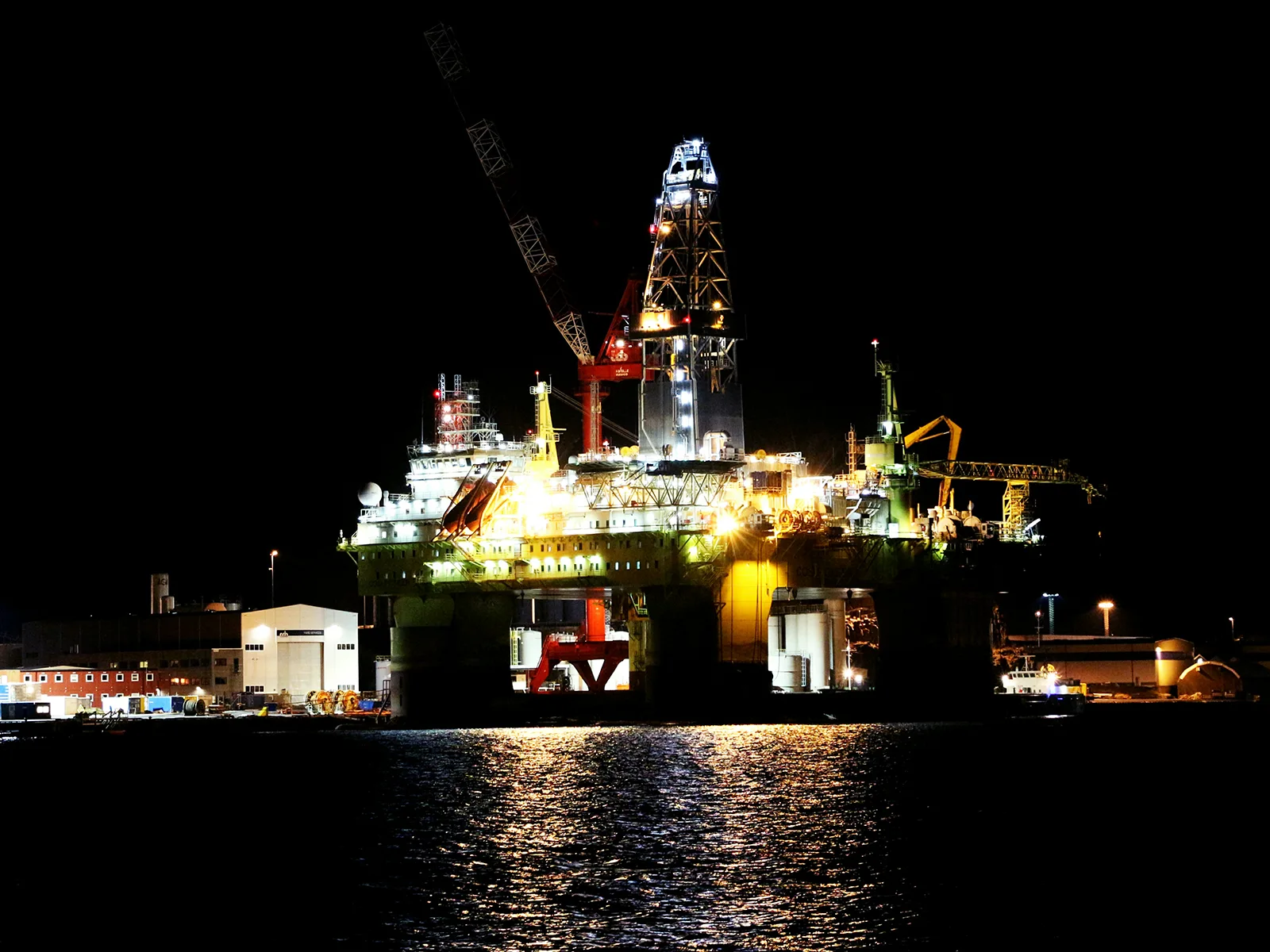
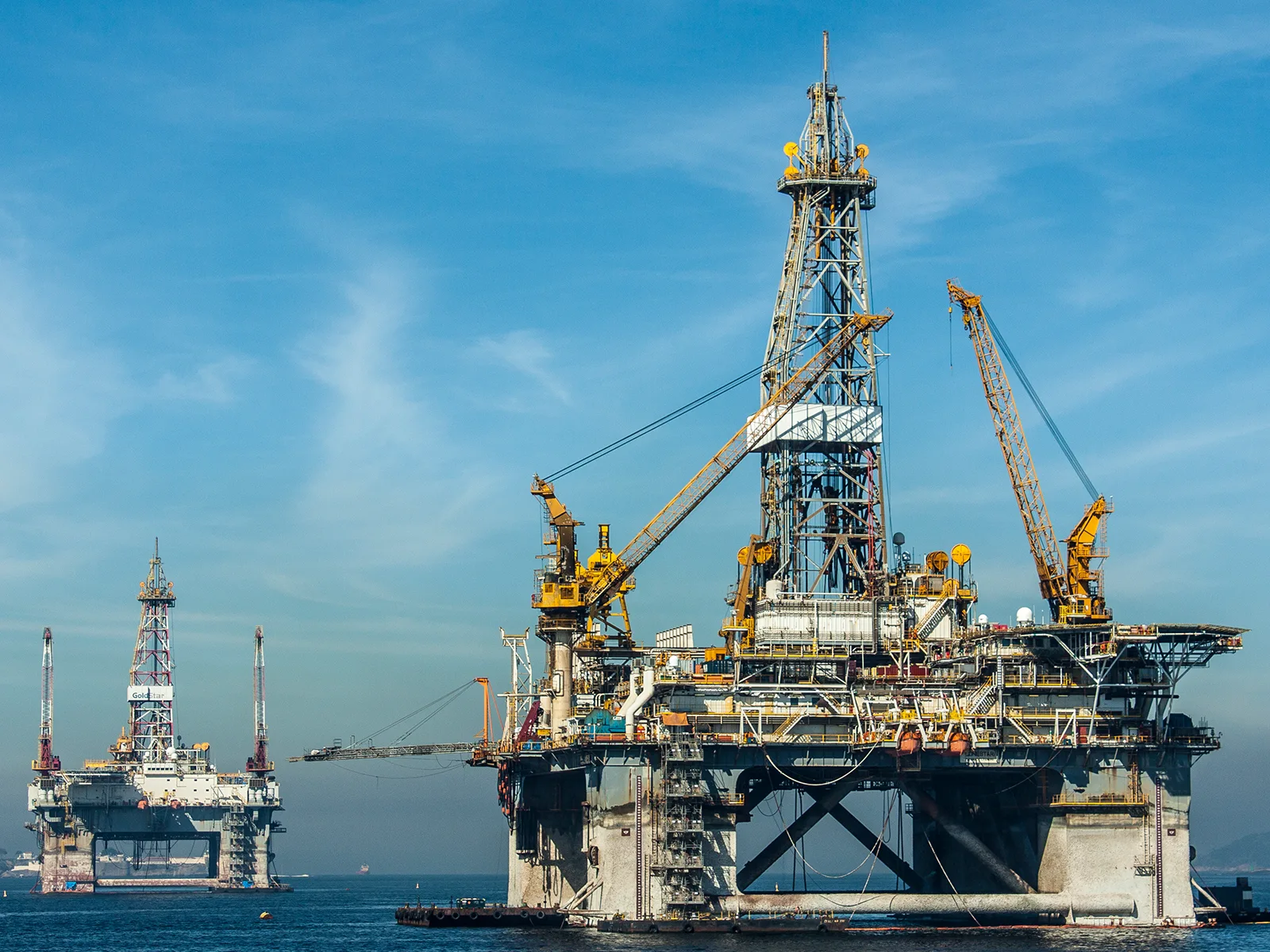
Drilling platform
Your Safety, Our Priority
Our unwavering commitment to uncompromising safety and light quality sets us apart in the industry.
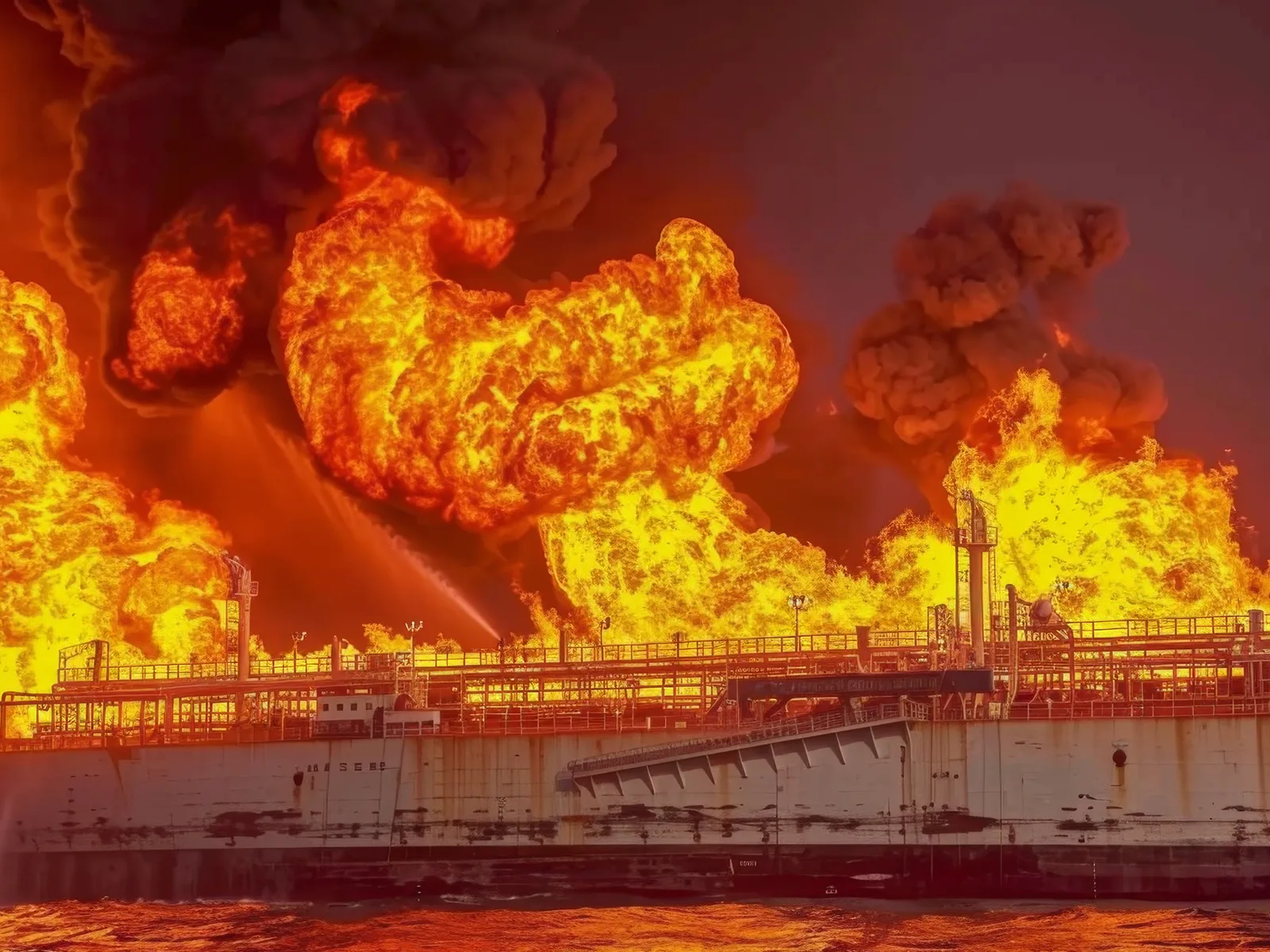
Anti-explosion
Flammable gases, vapors, or dust are common in the oil and gas industry. Any ignition source, such as a spark from electrical equipment, a hot surface,or a flame
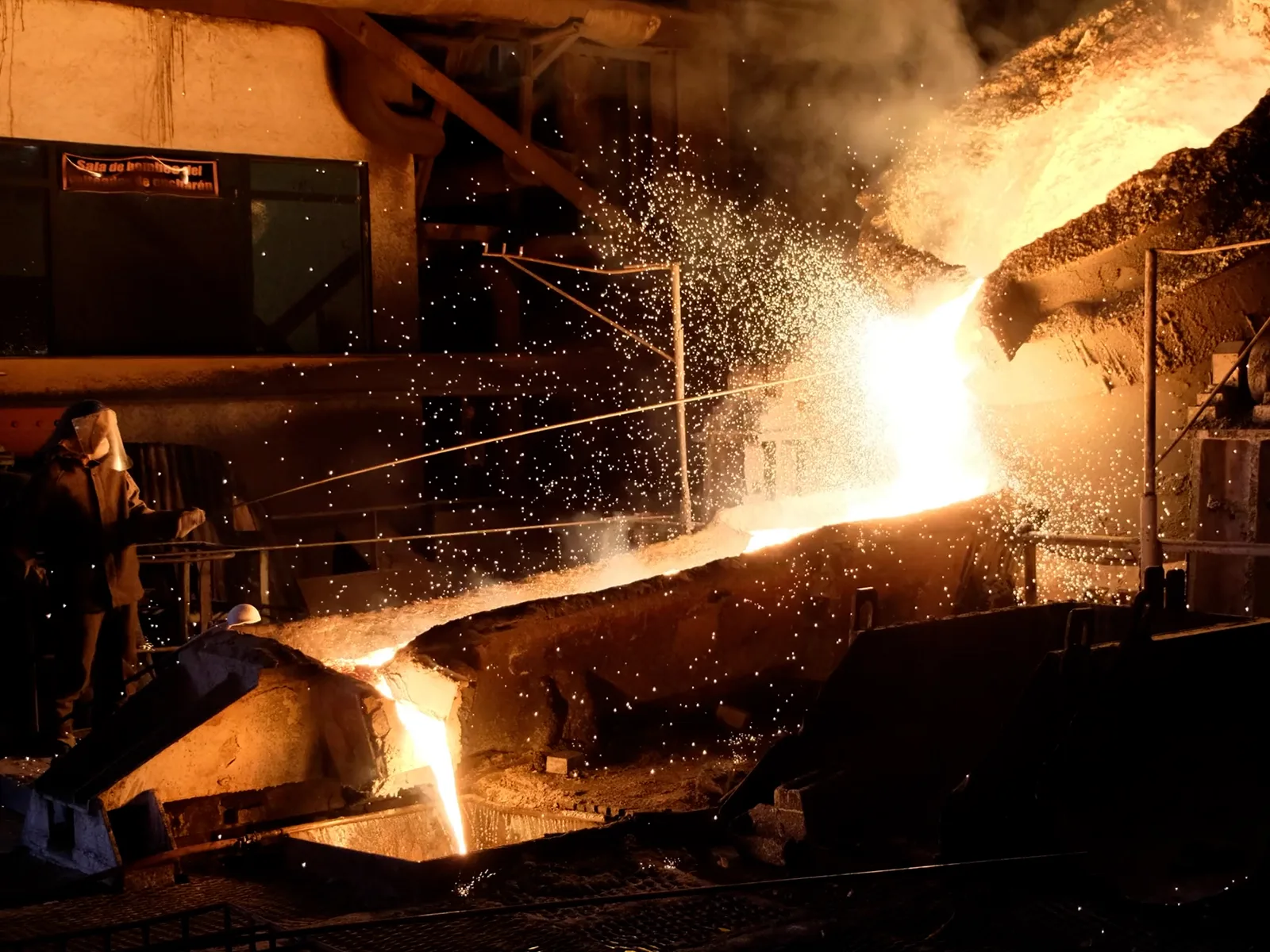
High Temperature Resistant
High temperatures pose a significant challenge in haza- rdous environments. Operating temperatures can reach 50°C to 65°C, making it difficult for lighting fixtures
Anti-corrosion
Seawater and vapors can corrode coatings and alumi- num, damaging lighting fixtures and improving the explosion risk.
Other Protections
Lighting fixtures can also fail and finally explode in dusty, humid, or high-vibration hazardous areas.
Superior Quality Assurance
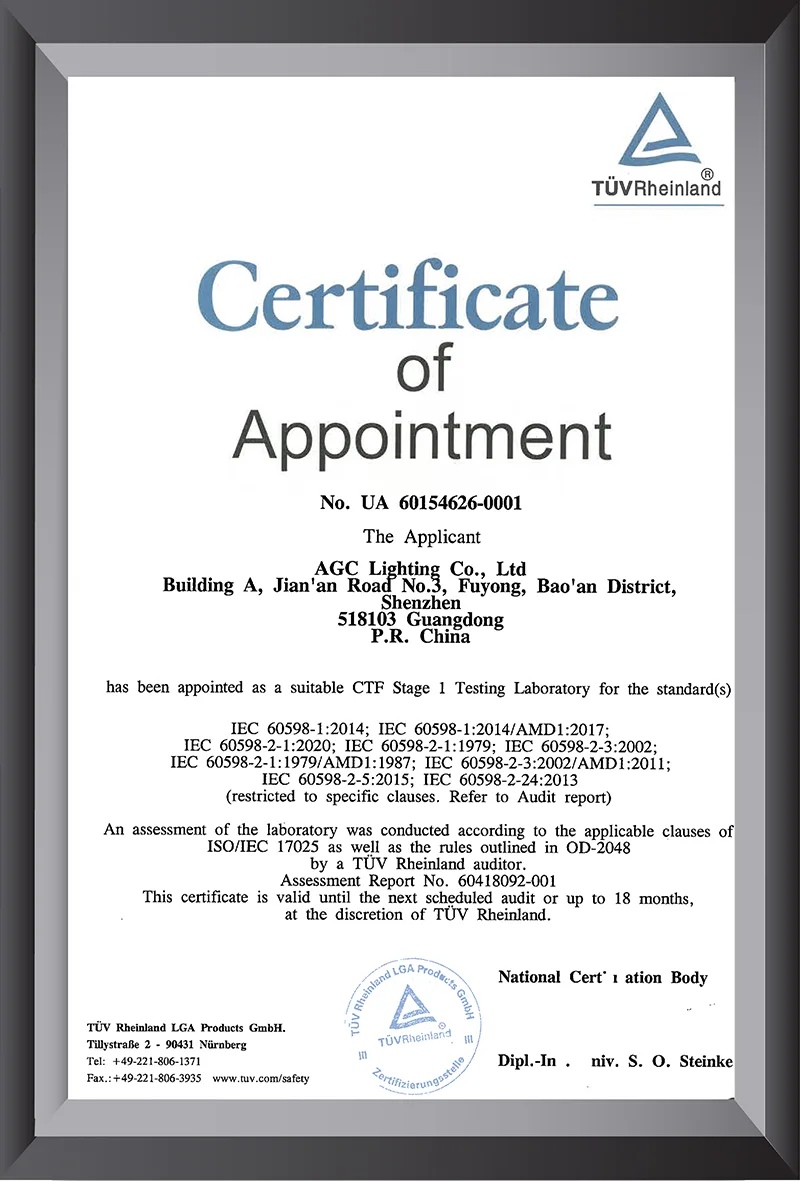
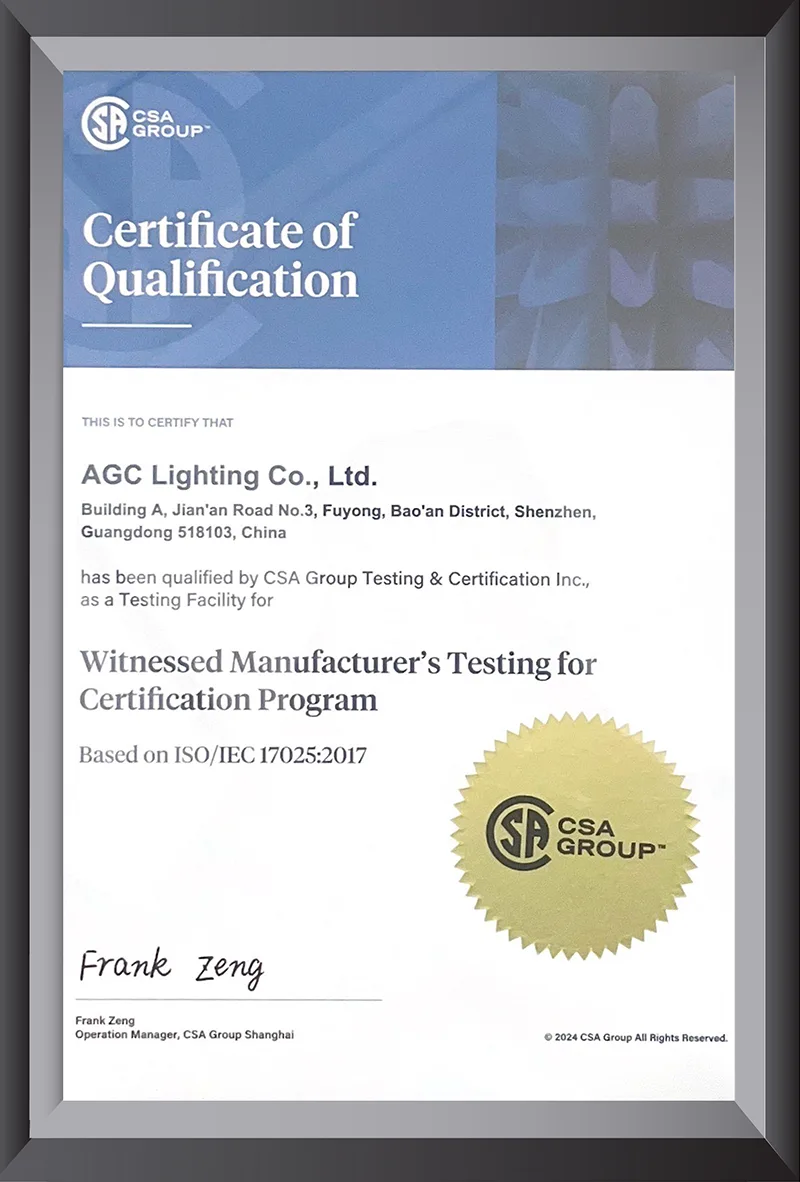
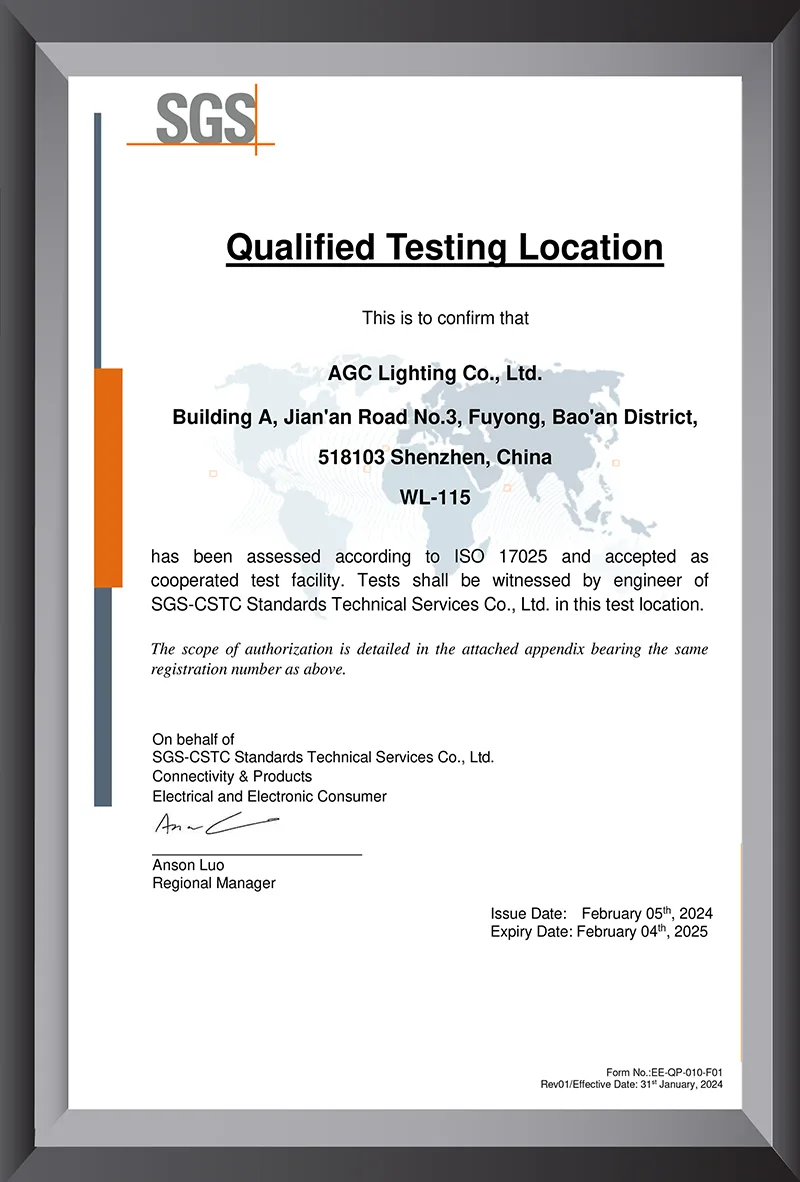
AGC Lab is recognized as a Qualified Testing Location by TUV CSA, validating its testing capabilities and the reliability of its equipment.
Click to Read More